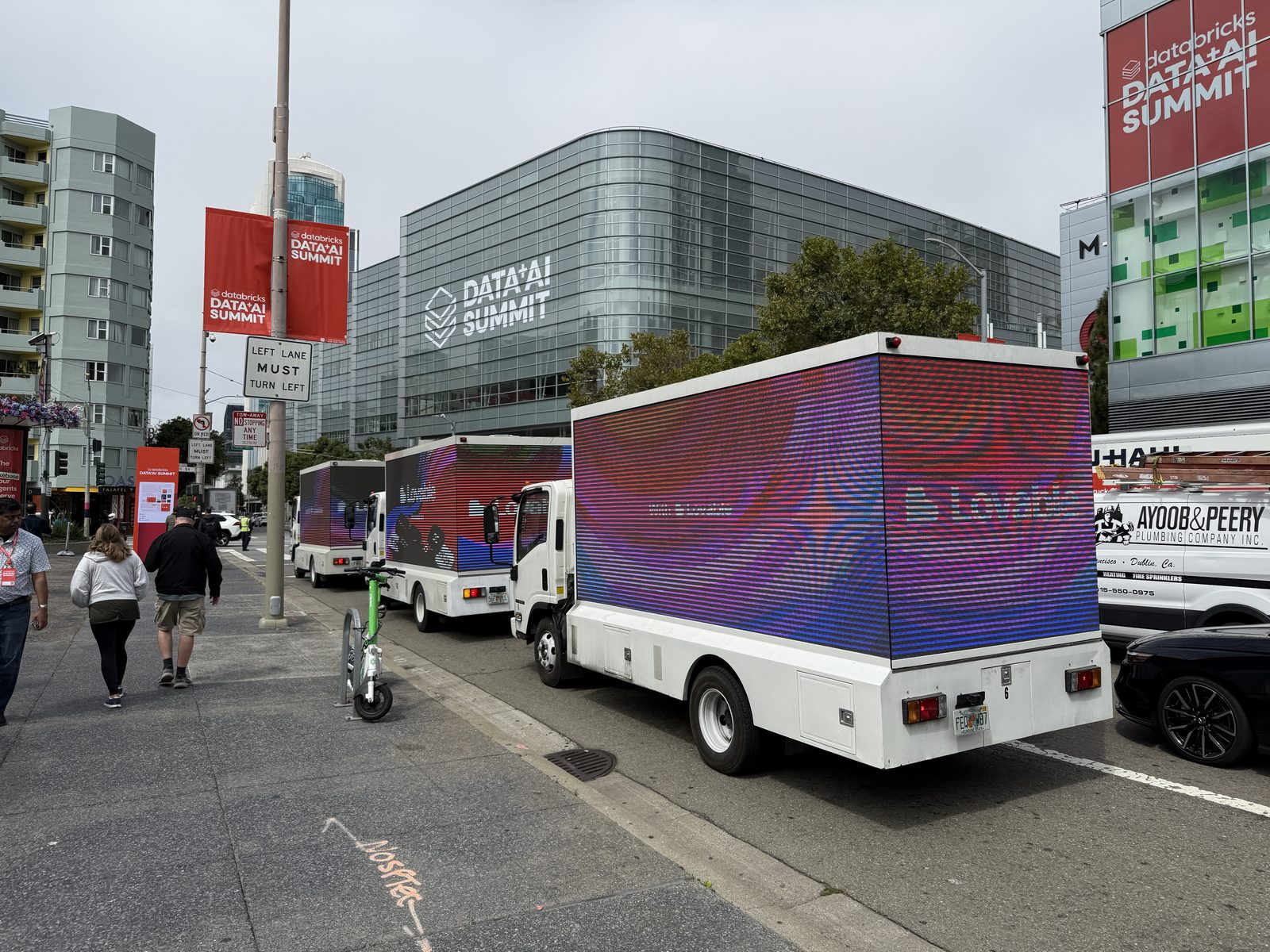
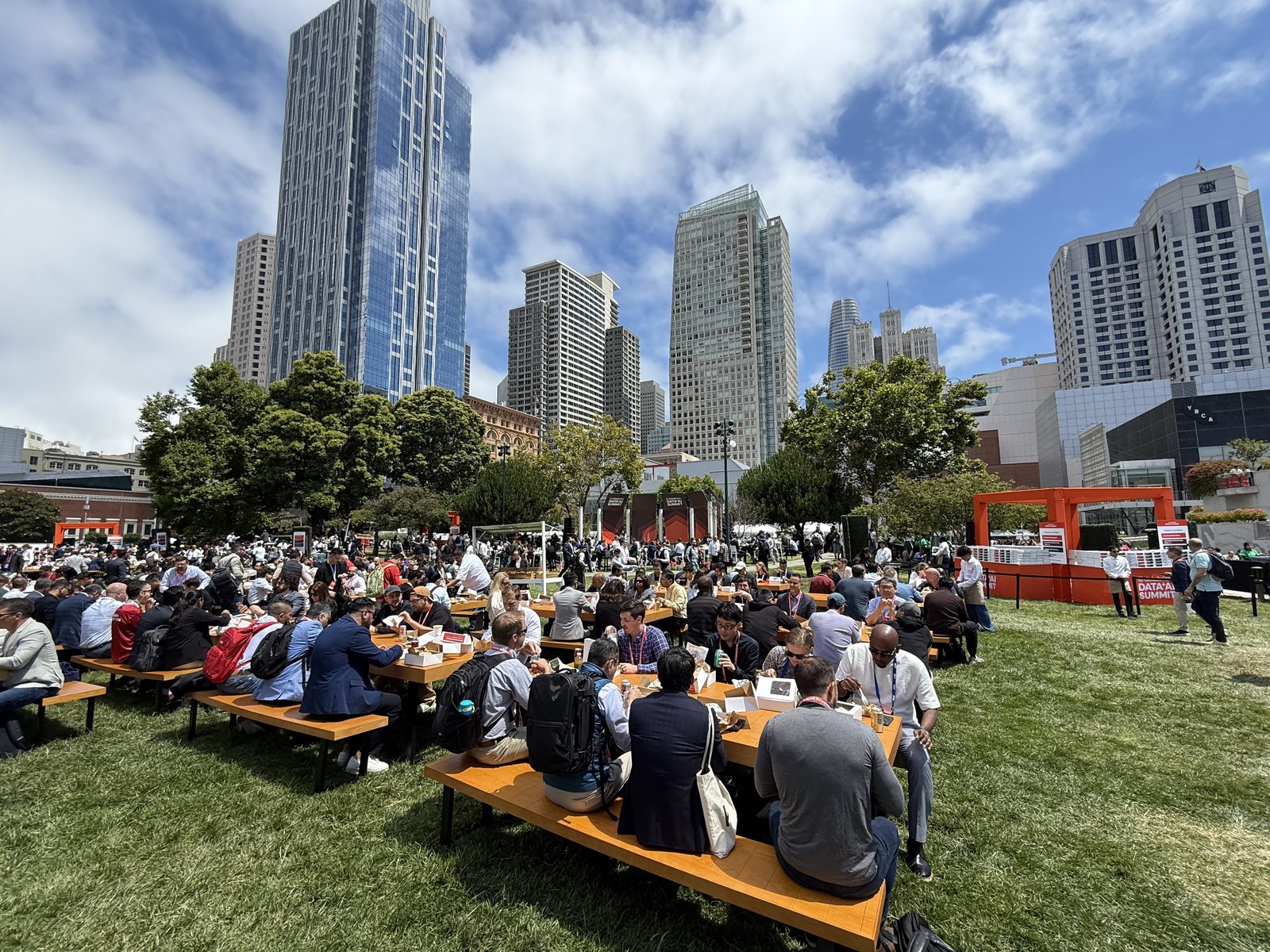
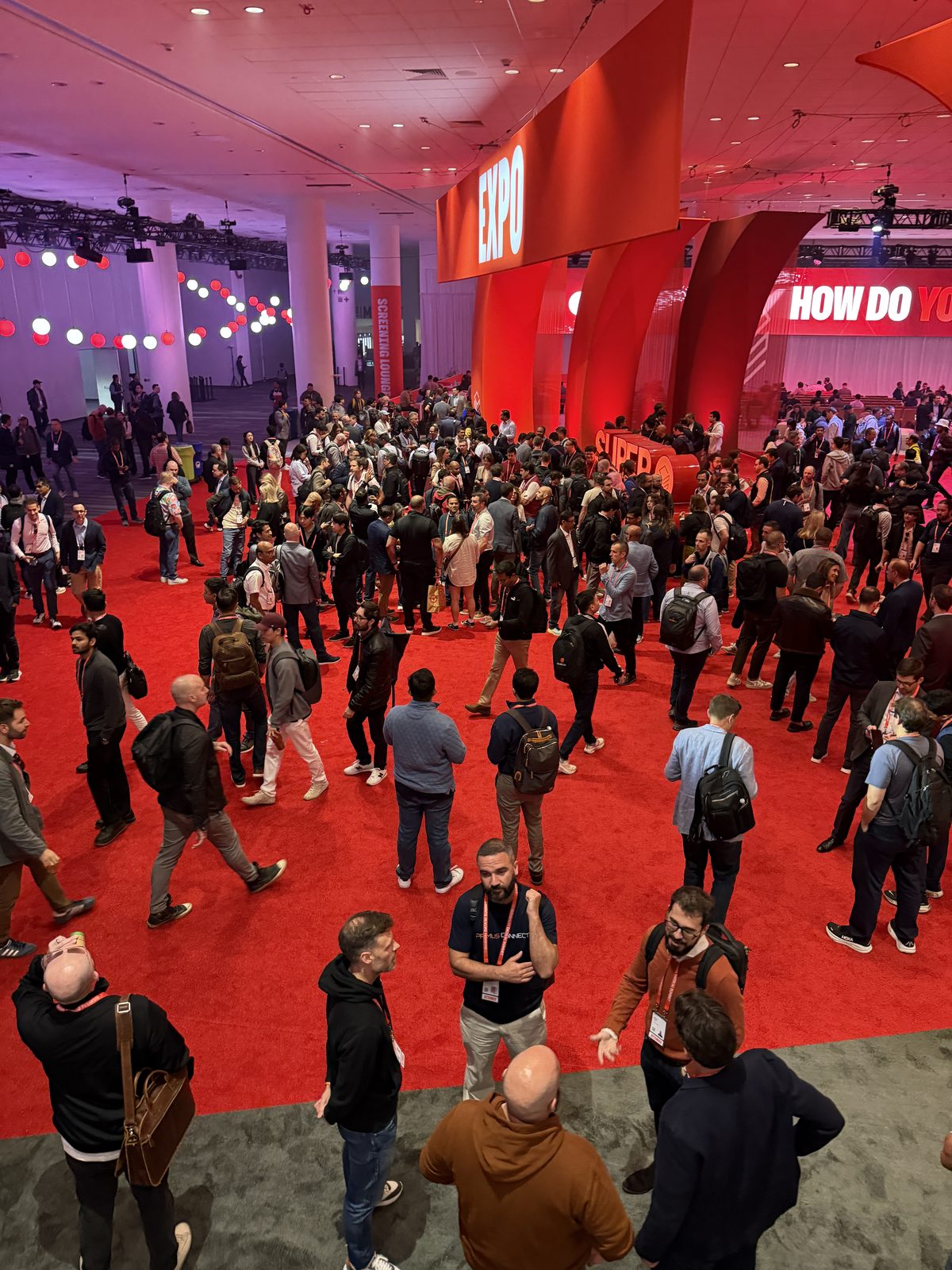
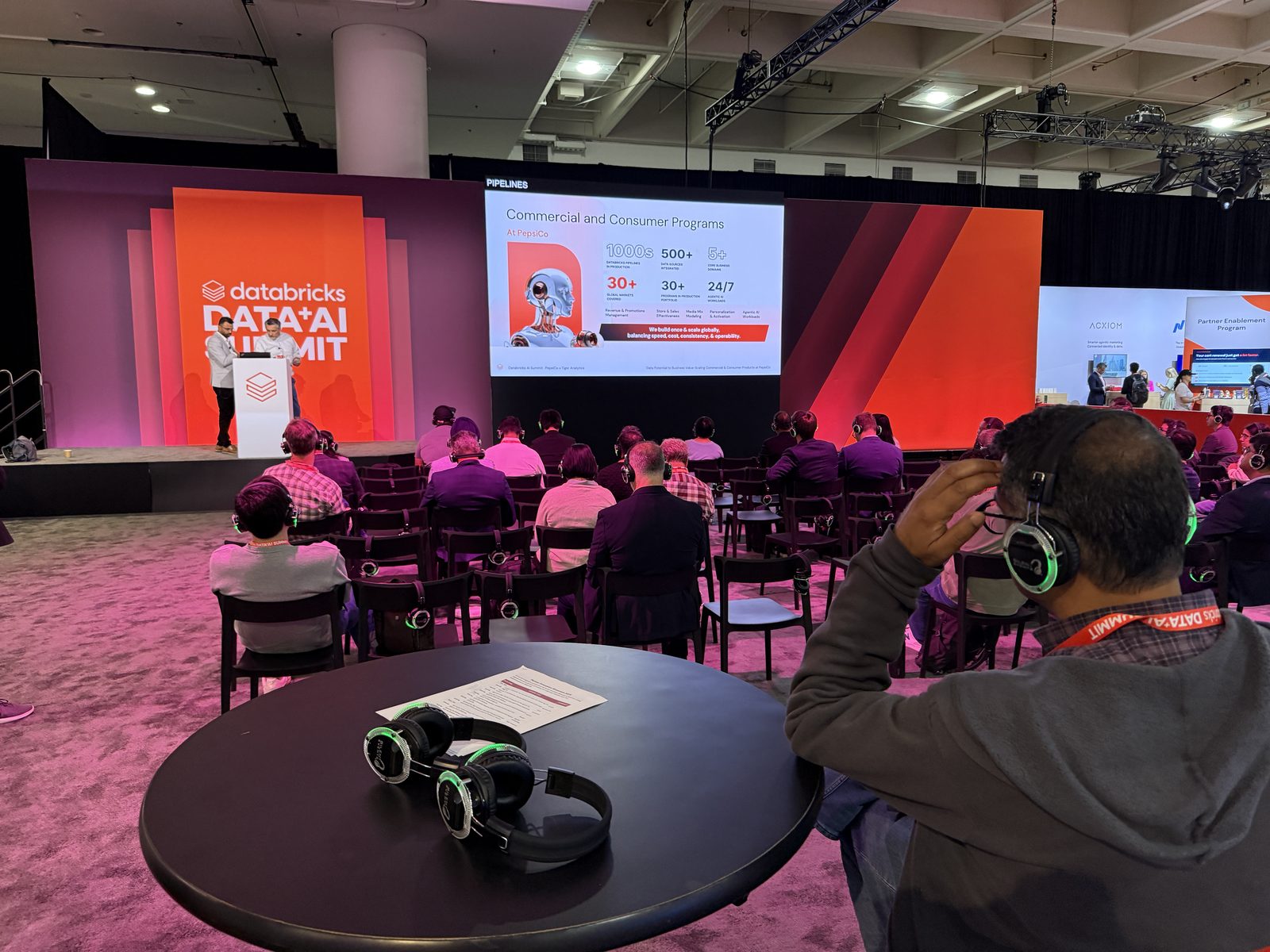
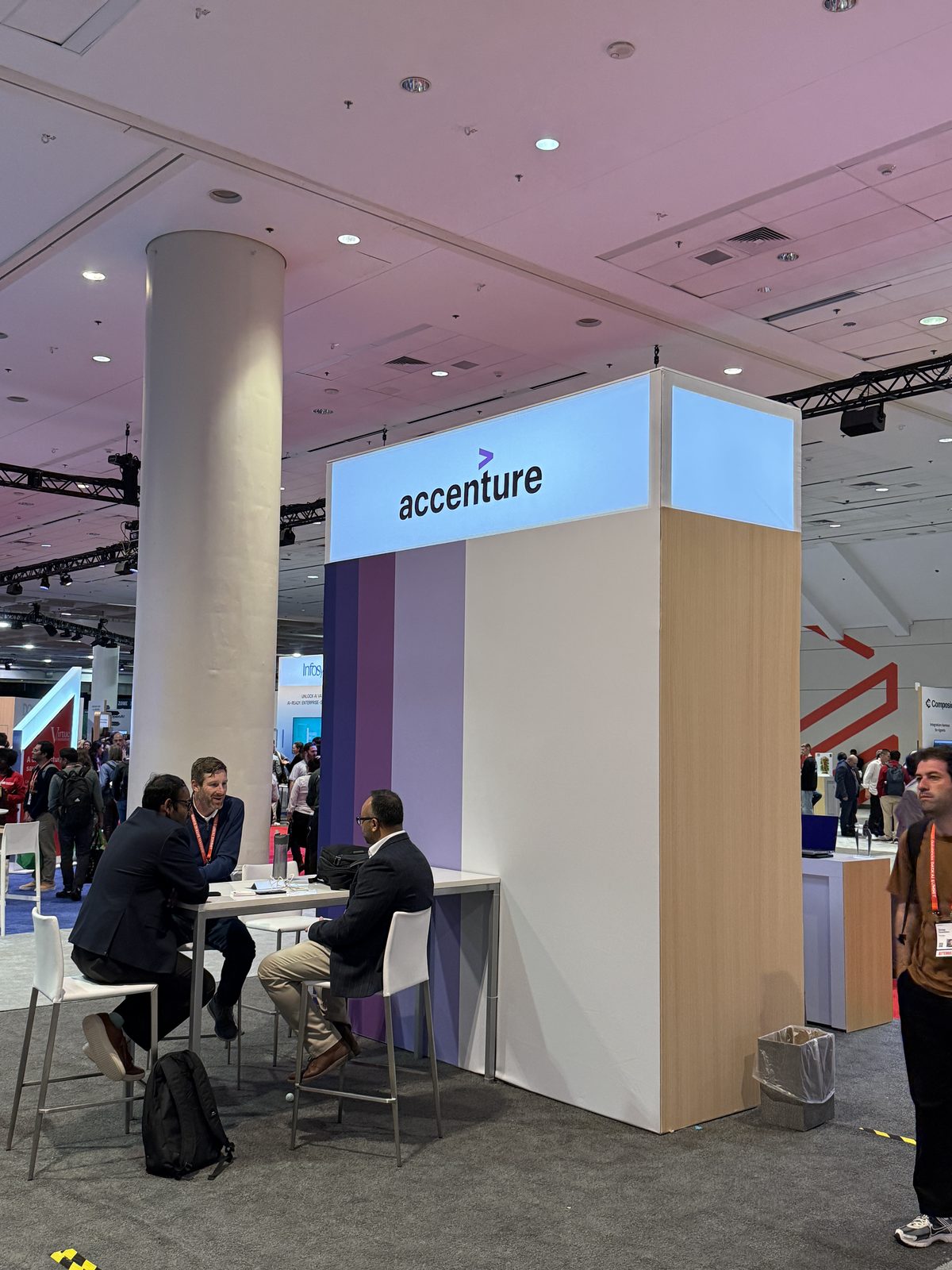
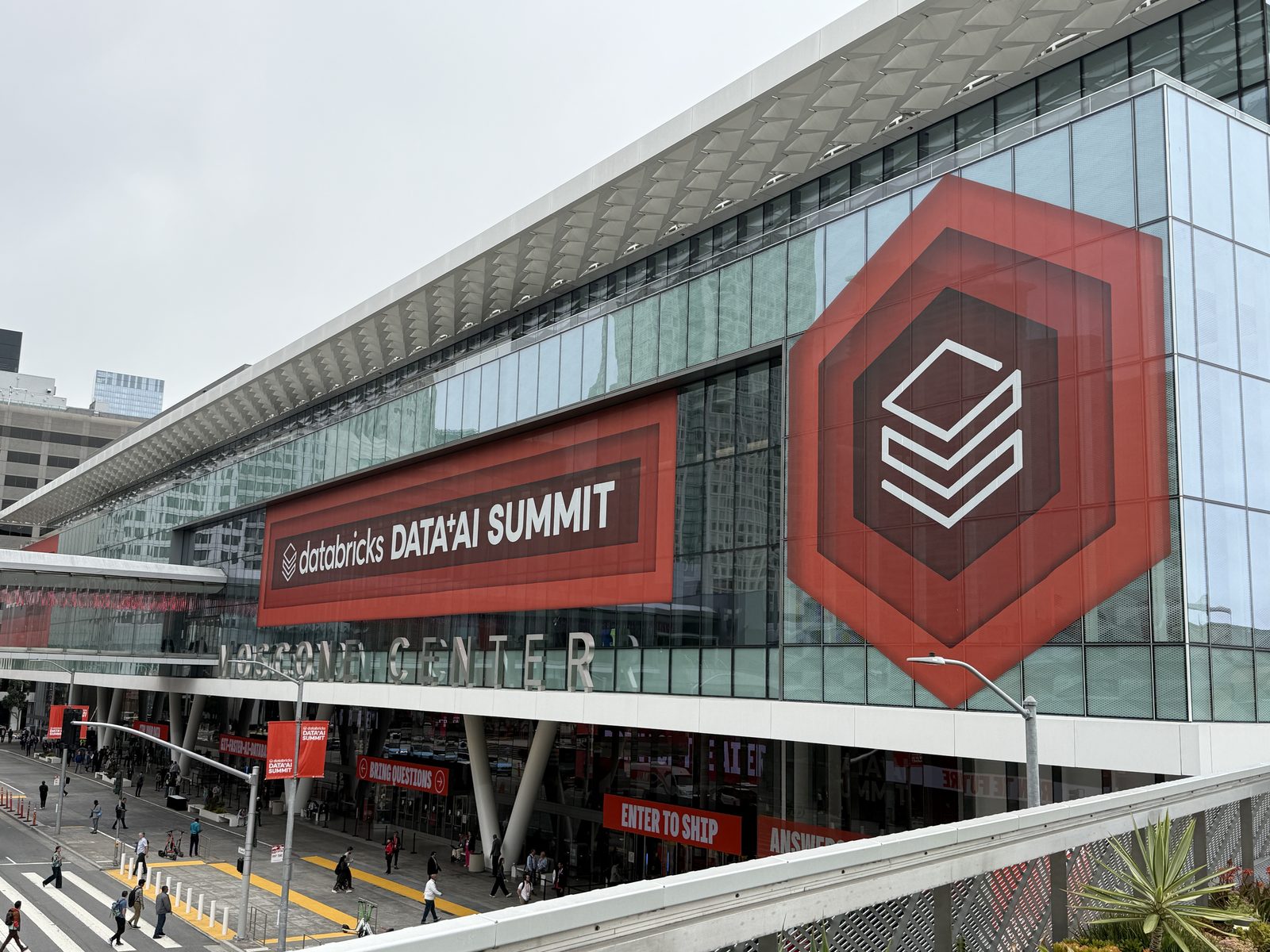
Four days. Thirty-two thousand attendees. Twenty-five venues across San Francisco. The biggest AI conference of the year, where data and intelligence finally moved into the same building.
Record-breaking attendance, an 800-session firehose, and a sponsor list that reads like a who's-who of enterprise AI. 95 percent of content was AI focused.
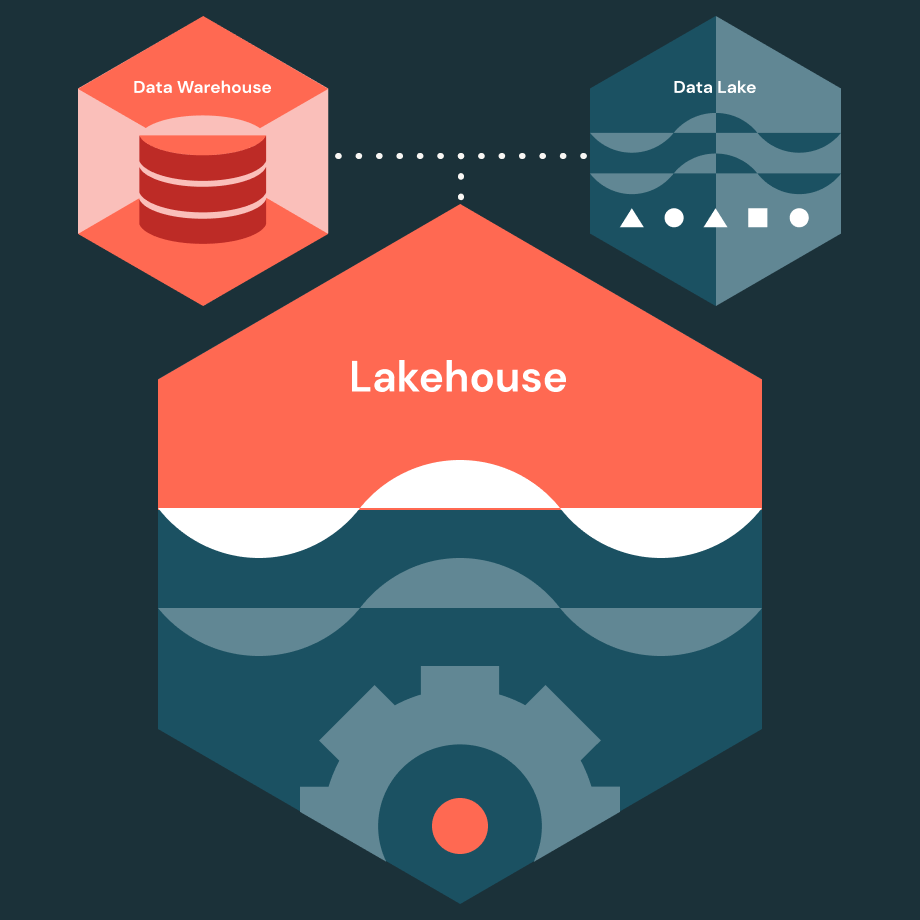
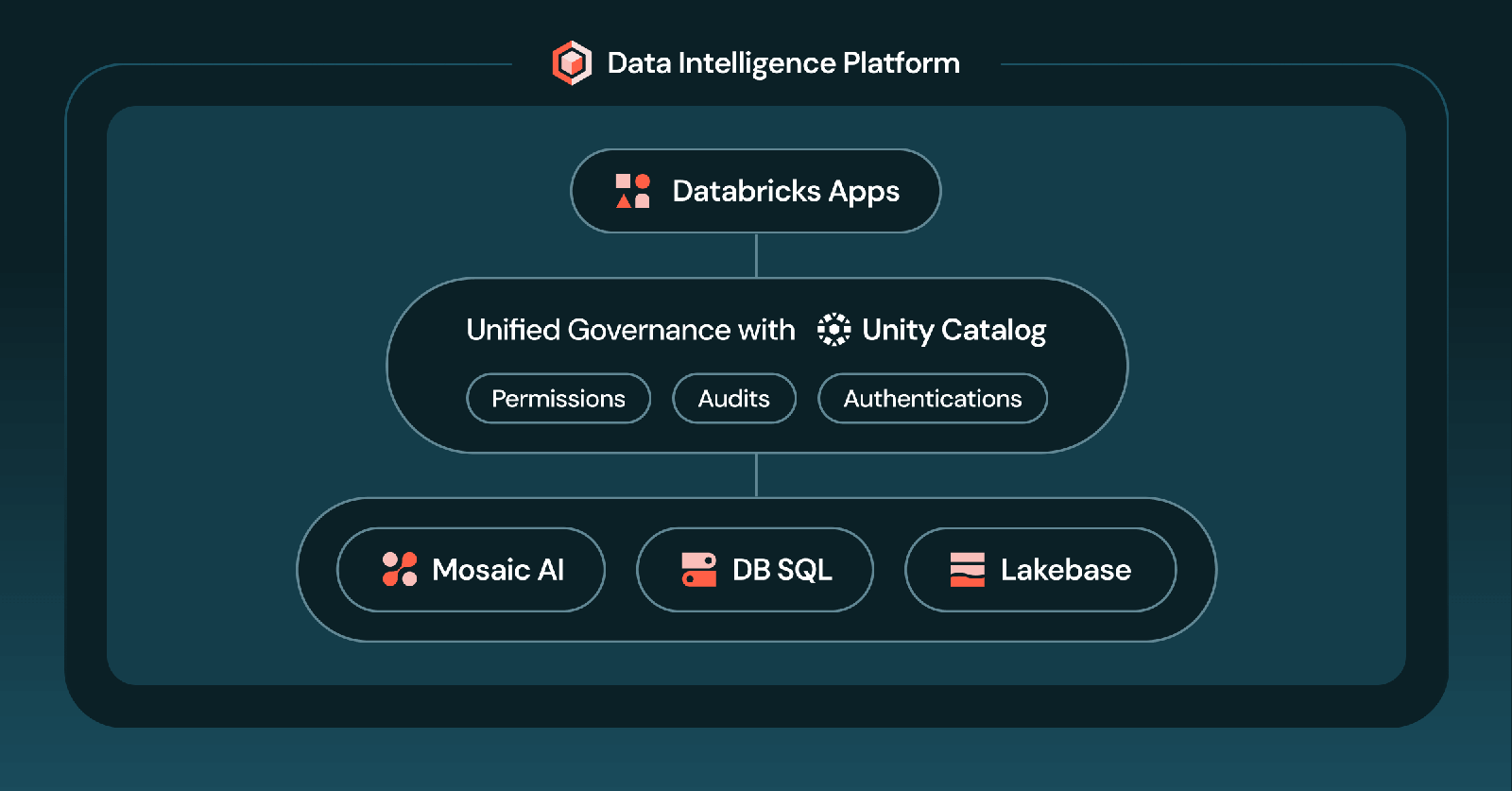
Every release, demo, and partner pitch mapped to one of these four. Lakehouse is the foundation. The real narrative is Genie, Lakebase, and Apps.

Analytics and AI on large-scale data. Delta Lake, Iceberg, Spark, Unity Catalog, MLflow.
Foundation
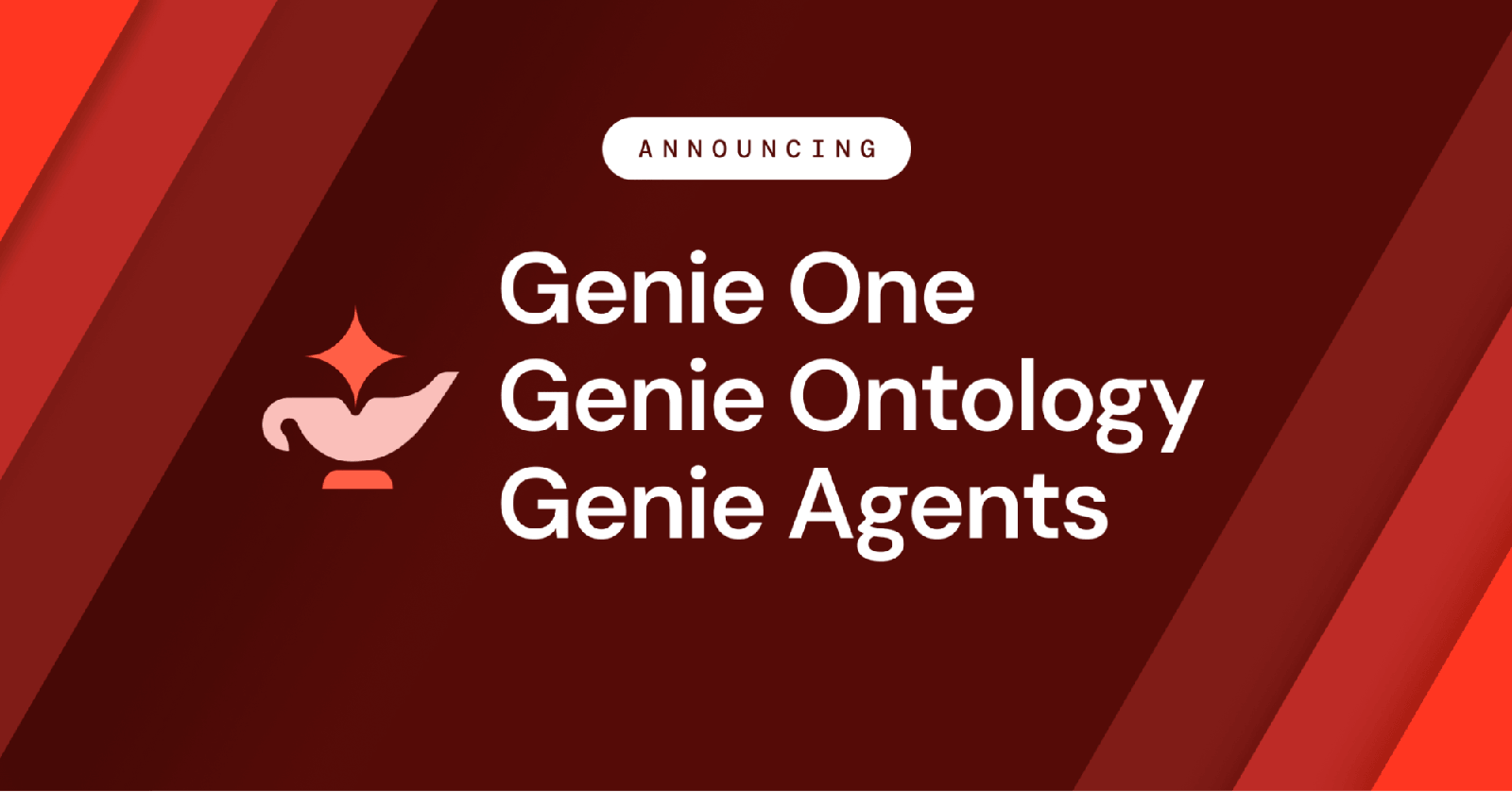
Business insights from data and AI. The vibe-coding, conversational analytics layer that ran the keynote demos.
Star of the show
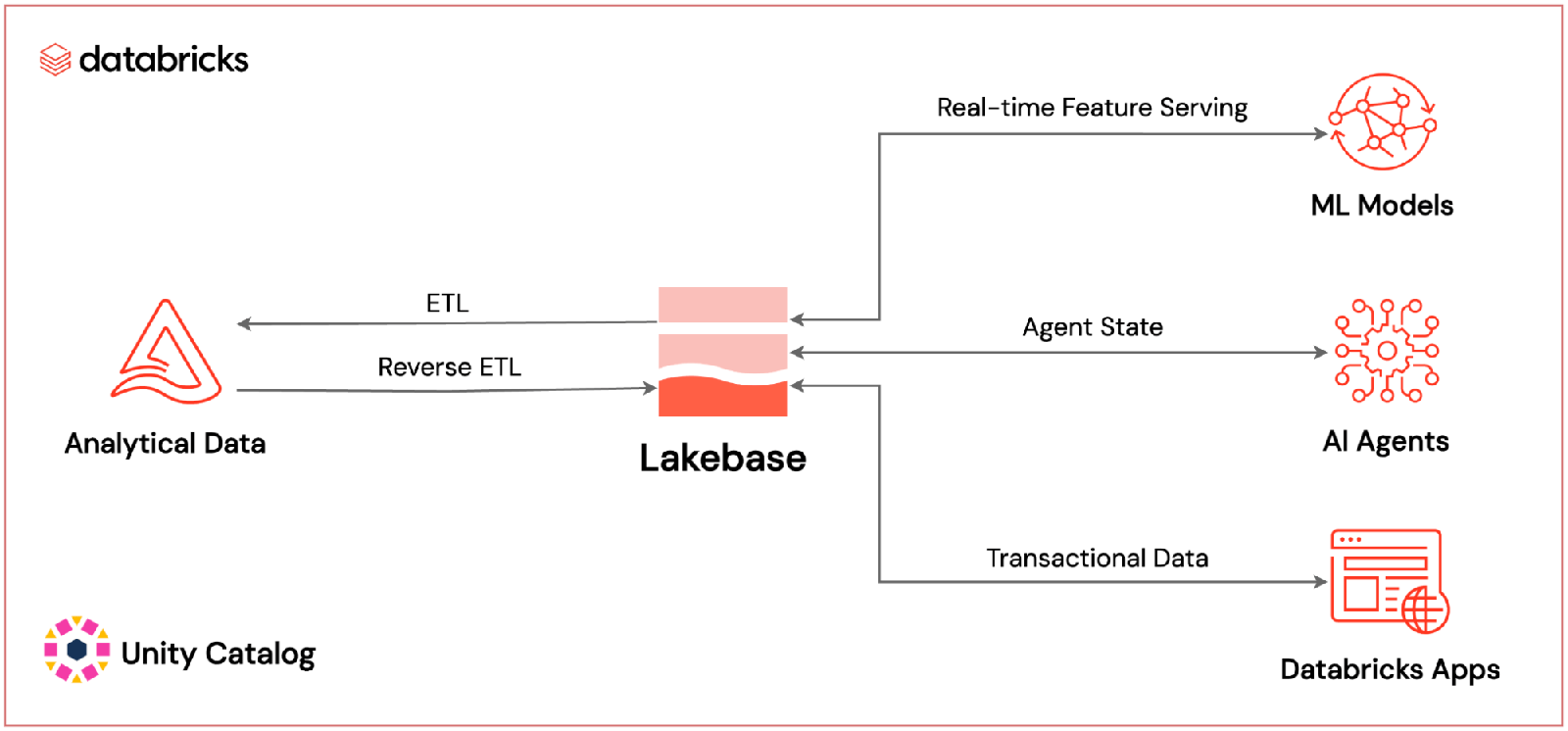
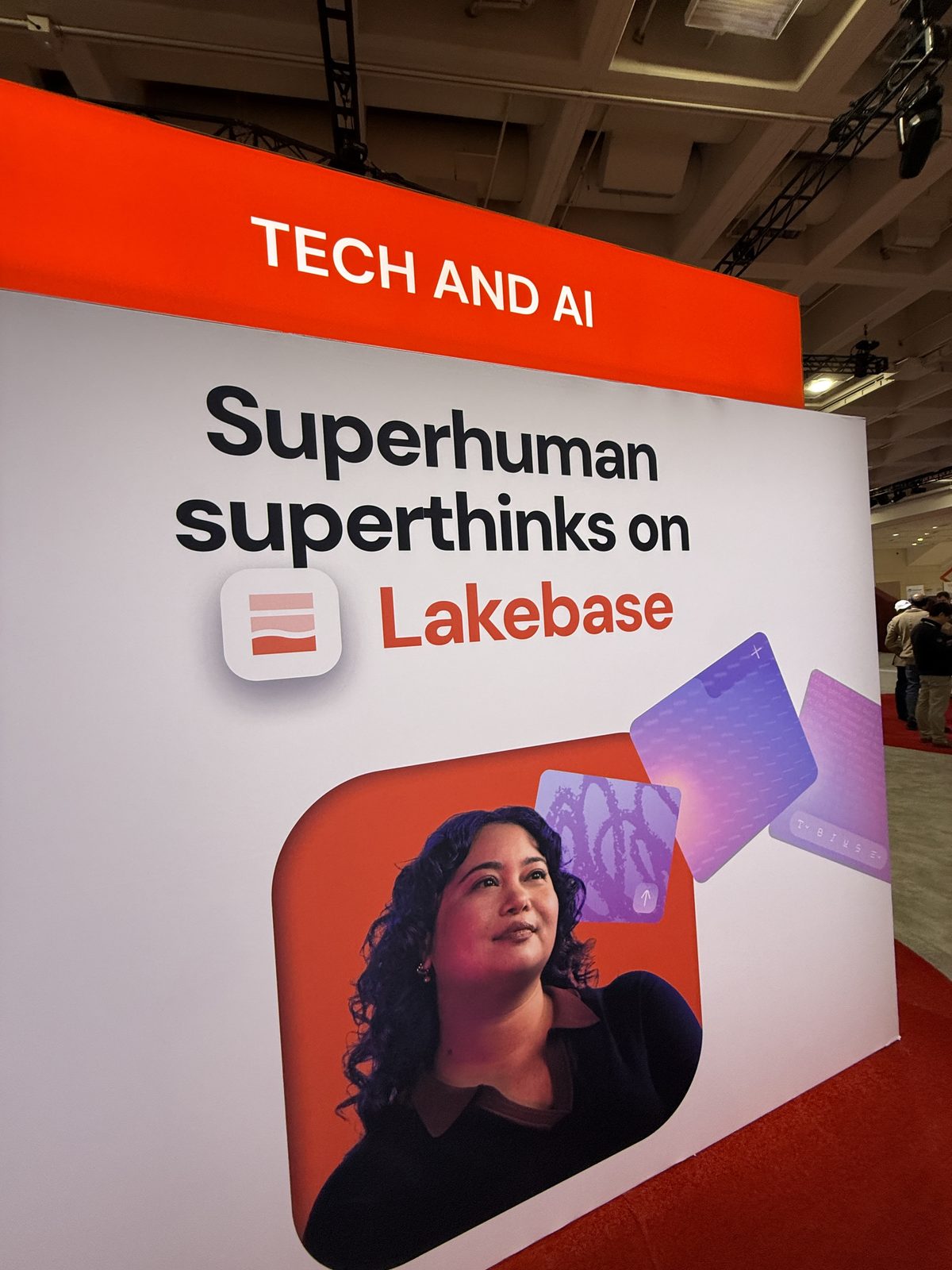
Operational databases for applications. Postgres-compatible OLTP next to your lakehouse.
New territory
Create and manage Databricks apps. Every sponsor demoed an app, MCP, or vibe-coded experience here.
Where vendors livedA conference this big means you pick a lane or you burn out. We split team coverage to maximize signal and used every format on offer.
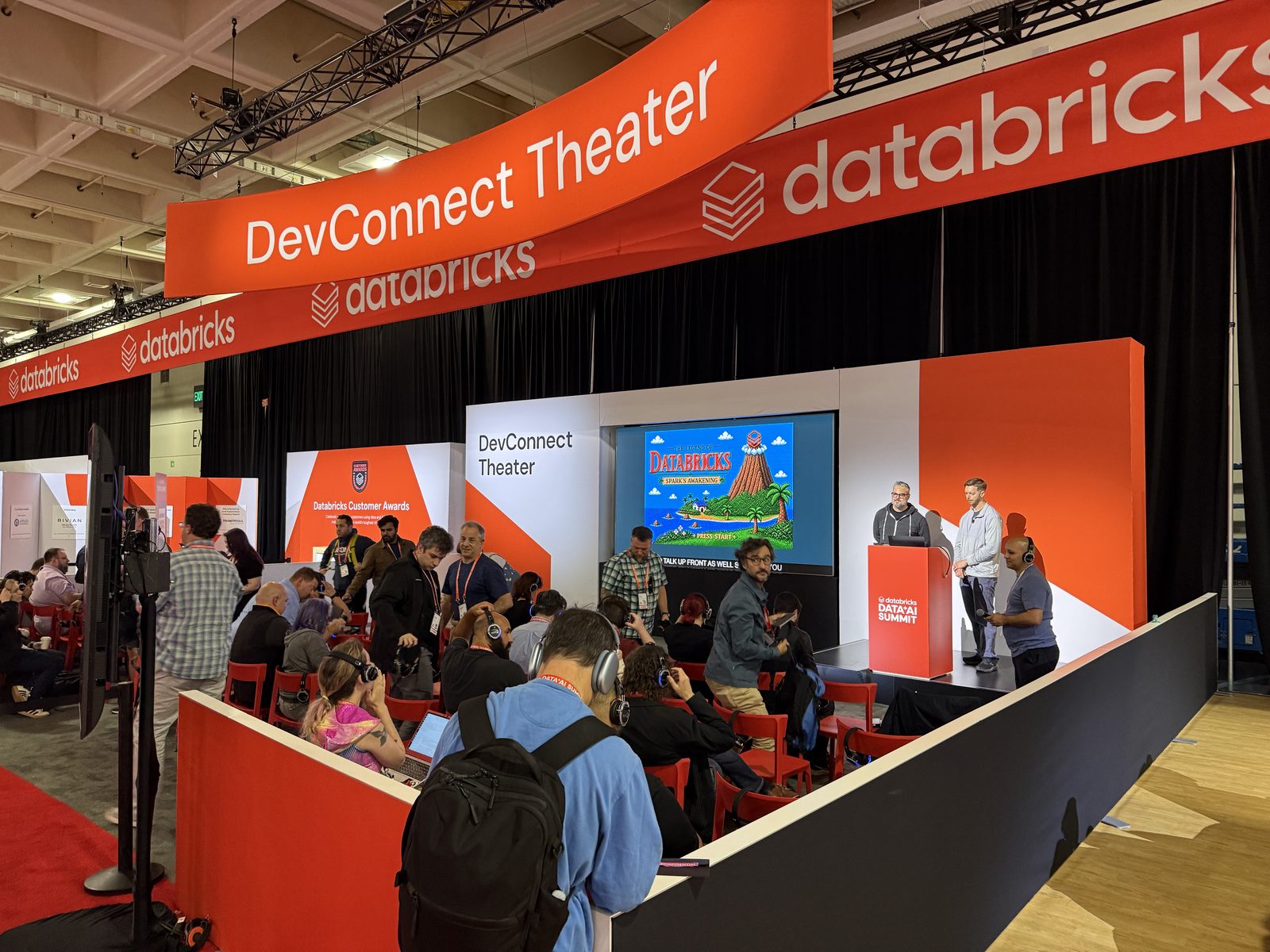
Ali Ghodsi, Matei Zaharia, Reynold Xin. Pre-recorded Nadella + Ambani. Brockman (OpenAI) live.
Parallel sessions across all three Moscone halls. Anything missed was captured in the replay theater.
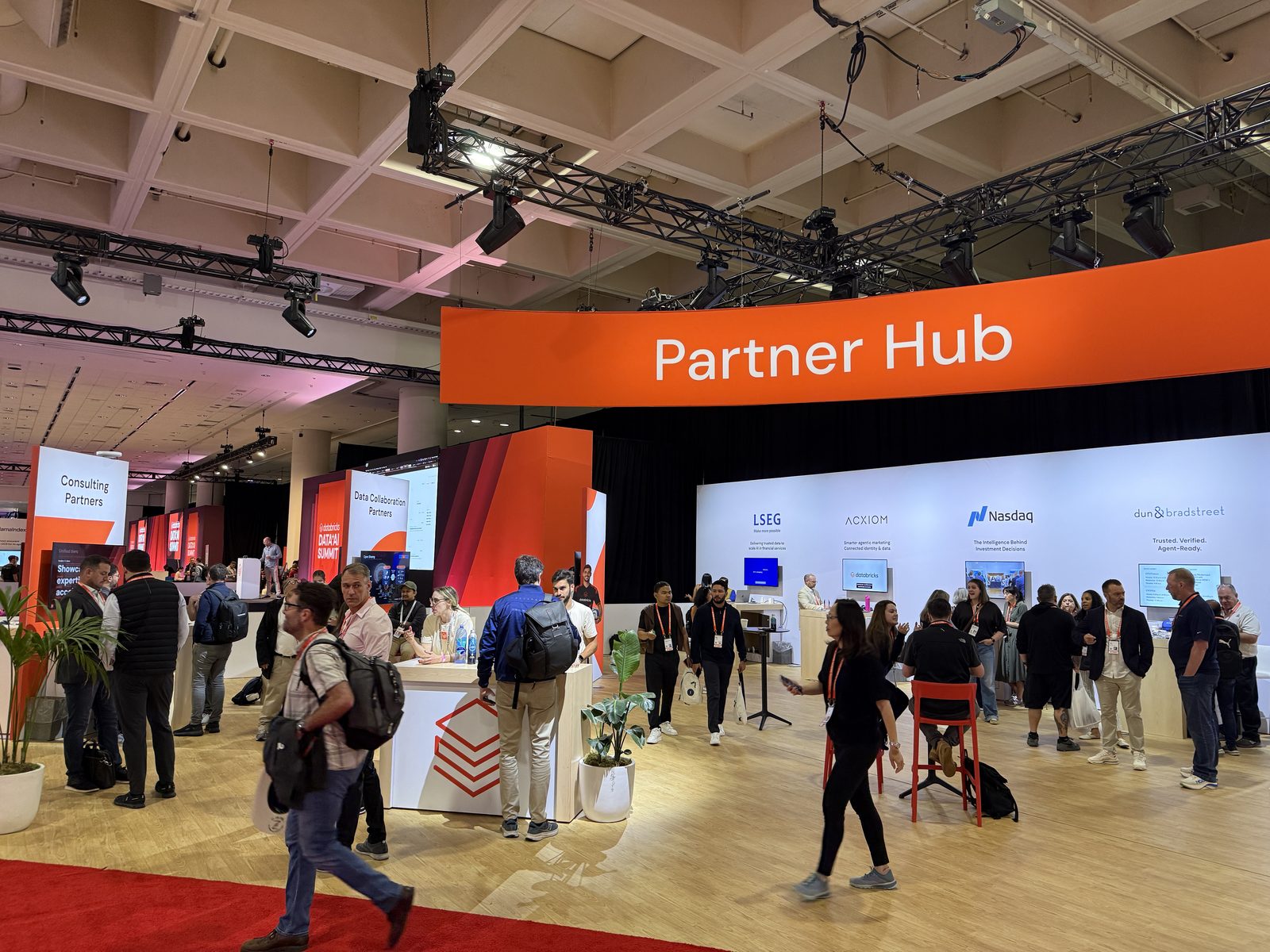
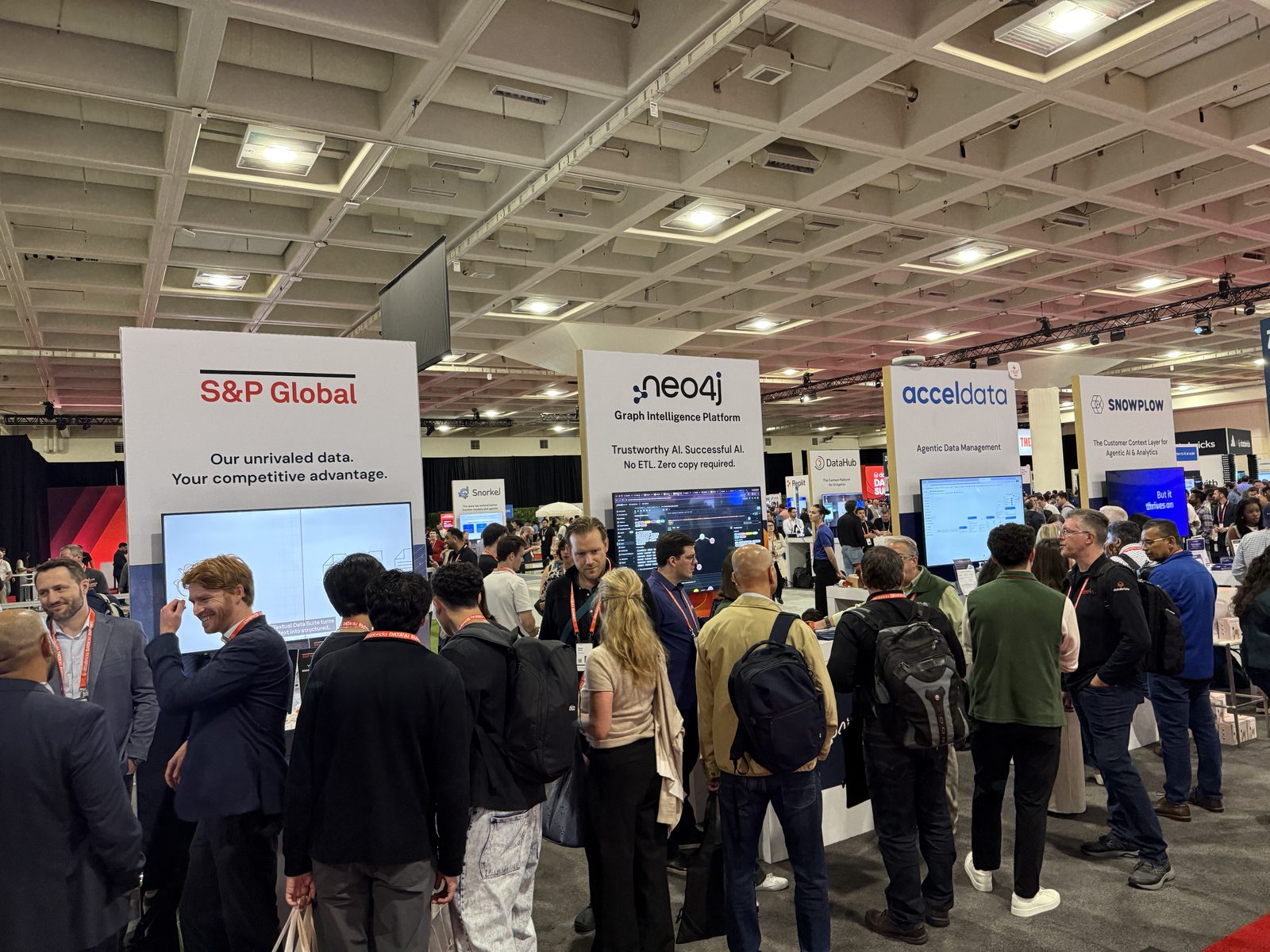
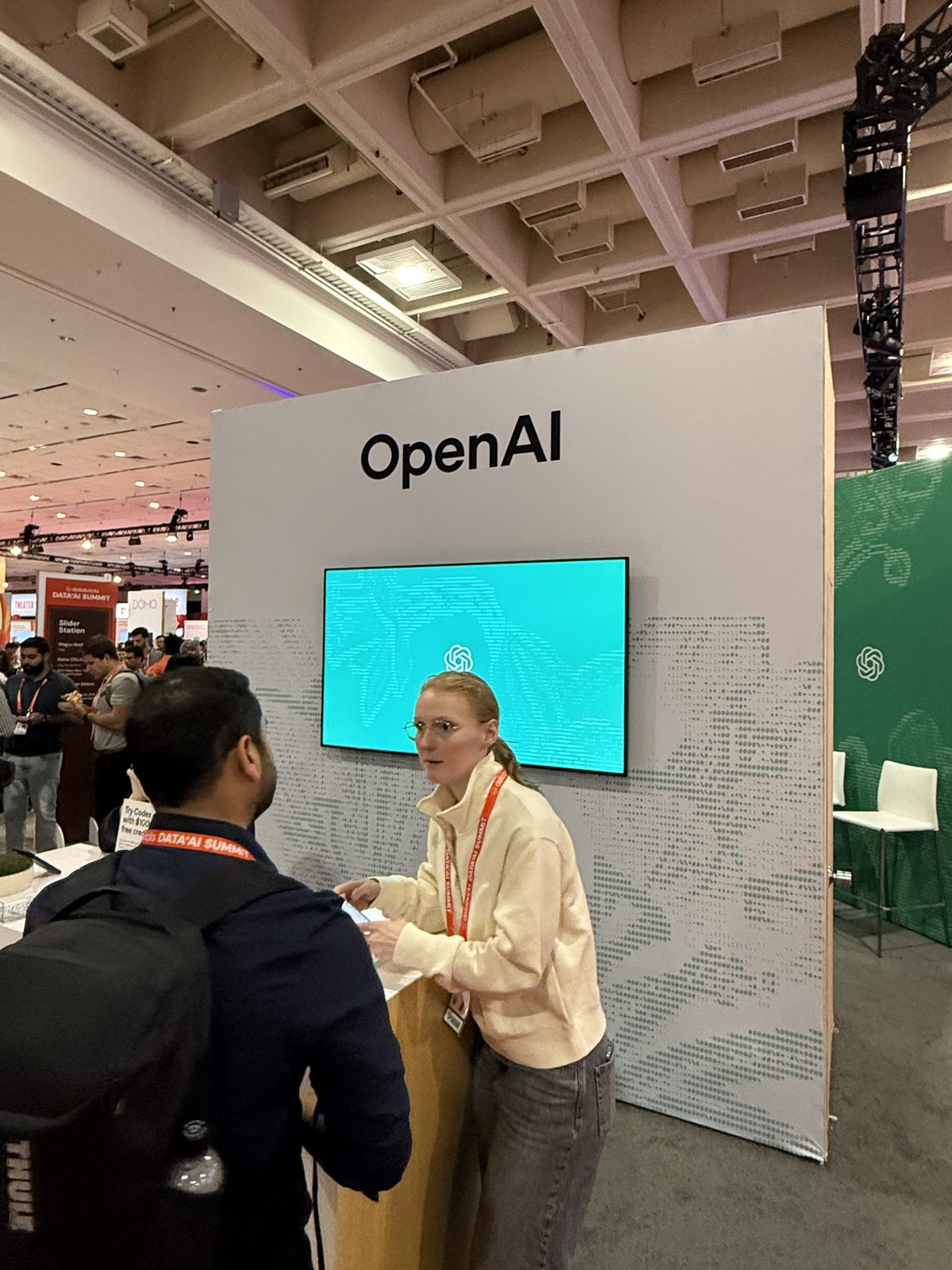
Every sponsor demoed an app, MCP, or agent built on Databricks. Big four, hyperscalers, AI platforms.
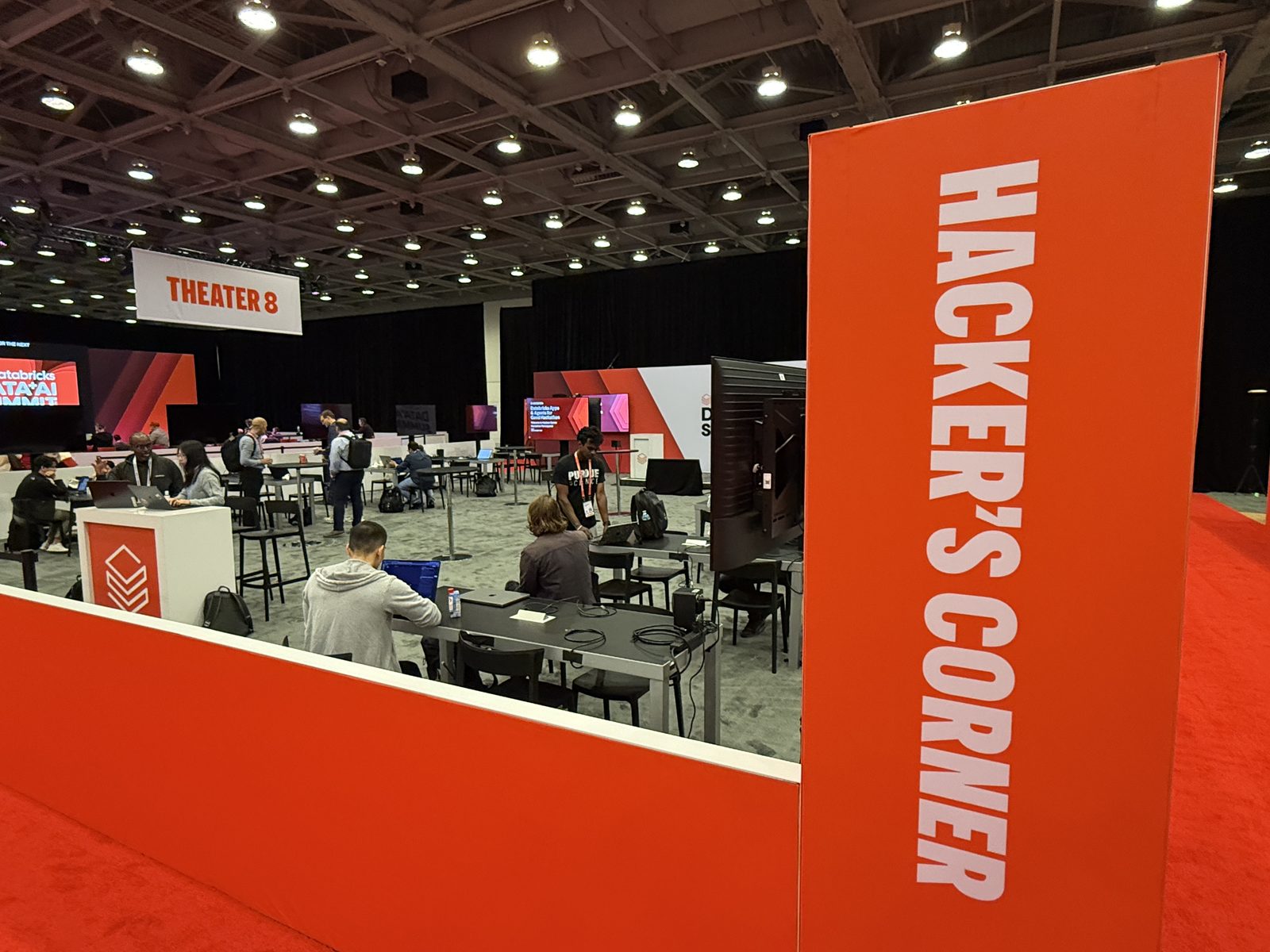
Built a Food Rescue MCP server on Databricks that routes food excess to local pantries.
Anyone can host a braindate. Spent remaining sessions hosting talks on MCPs and AI. Expert positioning, no CFP.
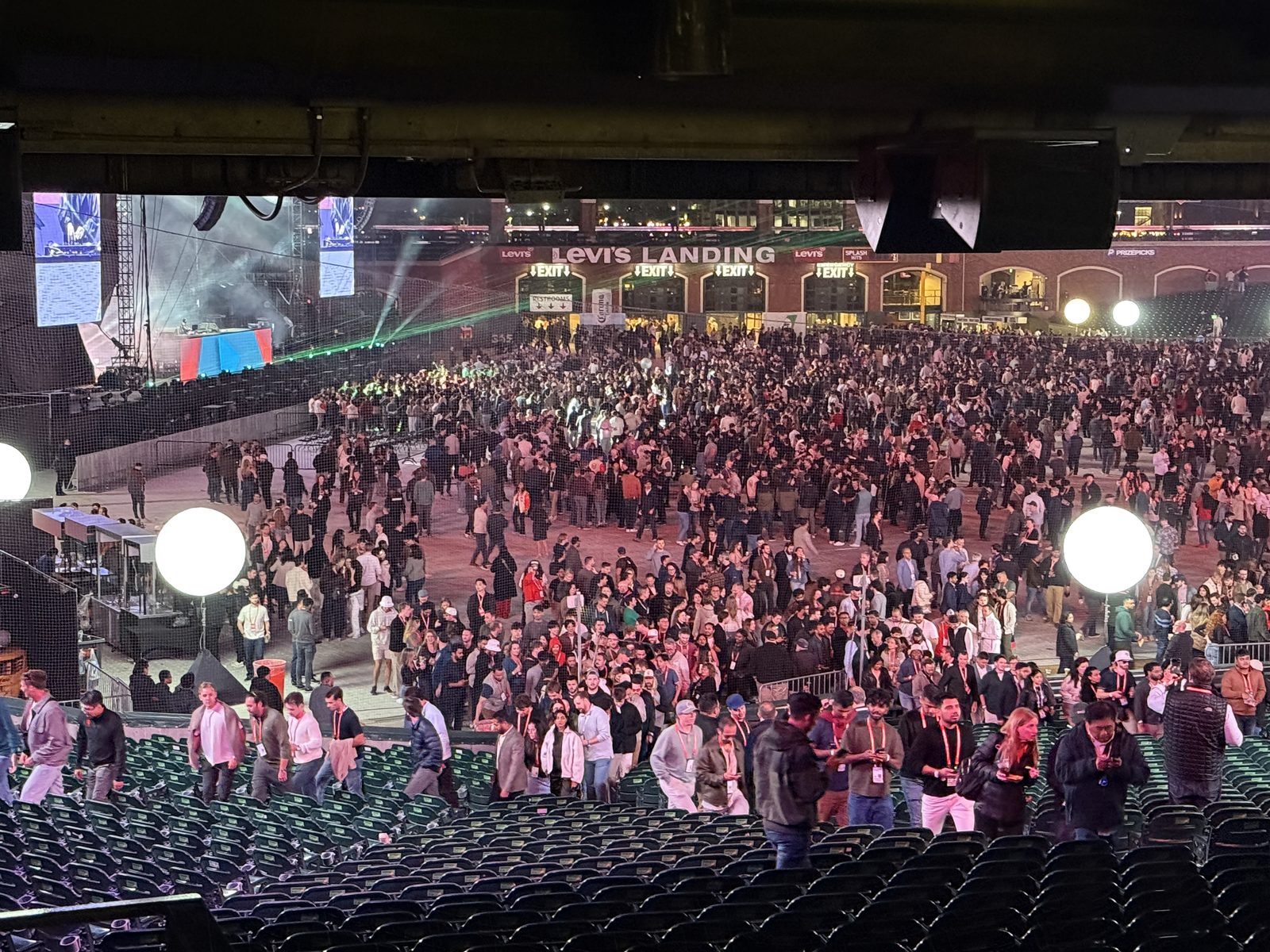
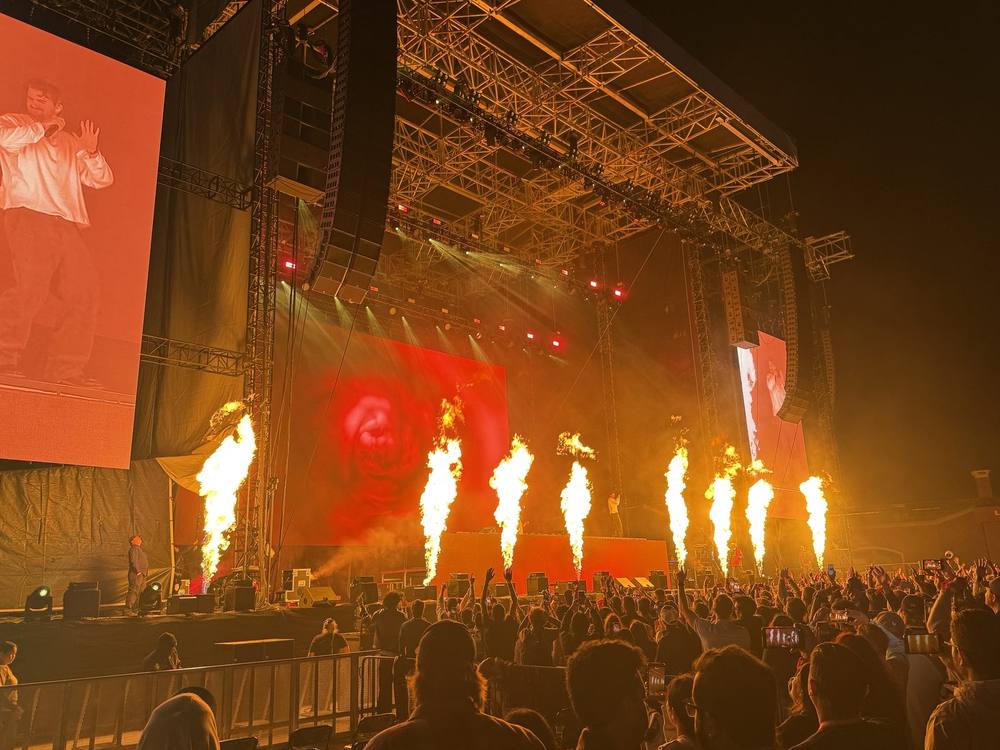
Databricks-only Chainsmokers event at the Giants' ballpark. Real networking with people we'd brushed past all week.
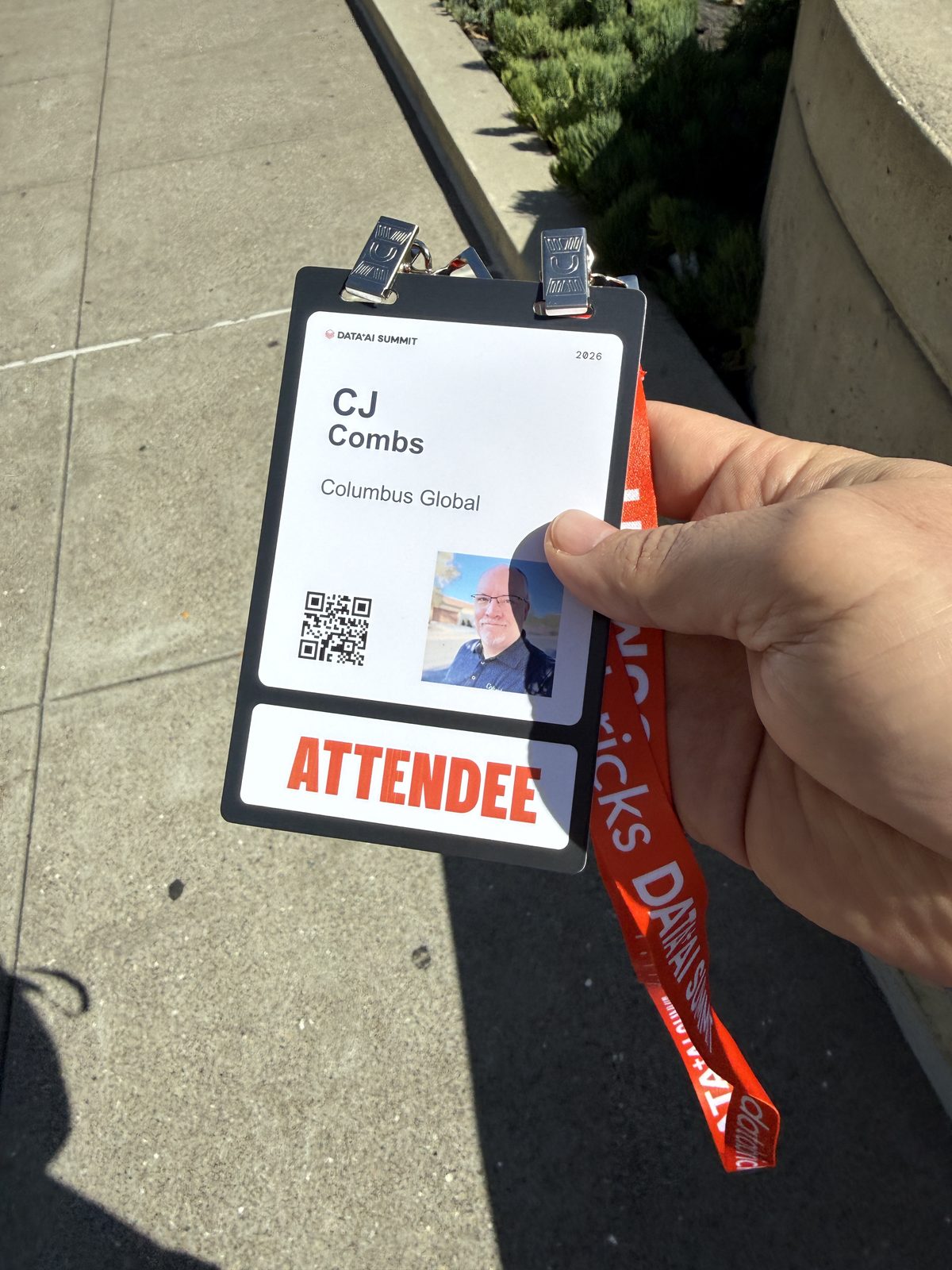
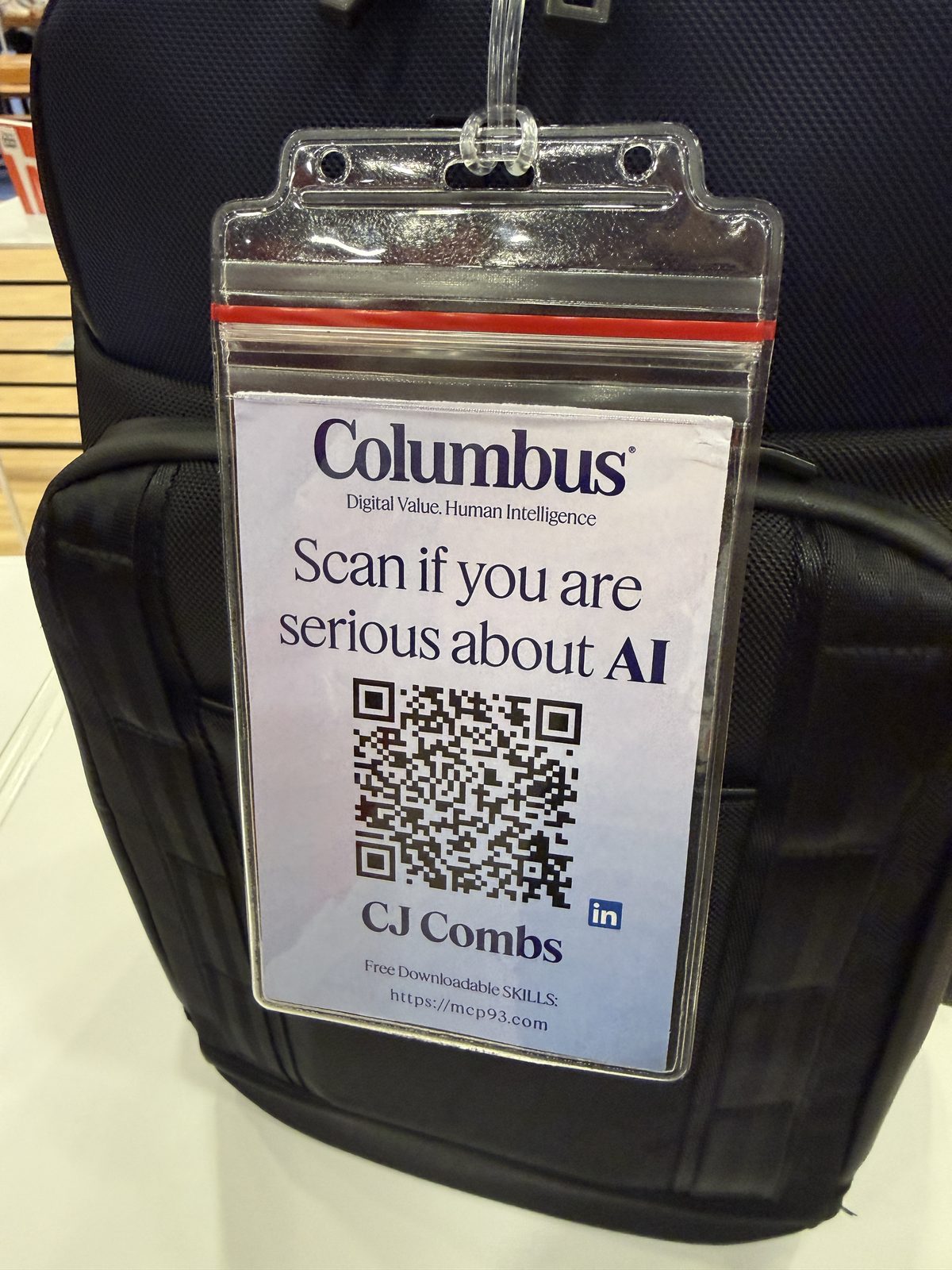
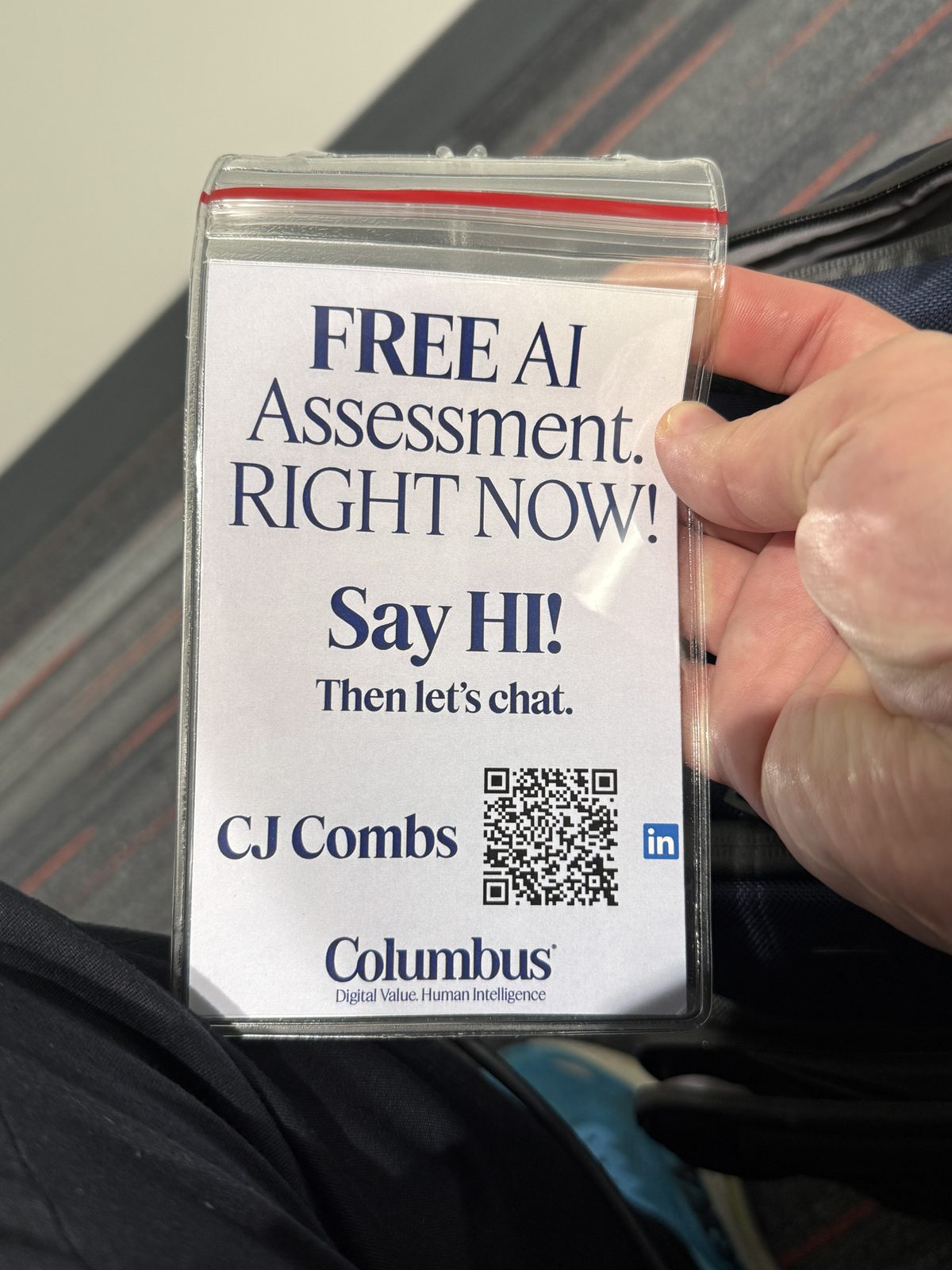
I wore a different badge every day to test what got attention. The winning line: "If you are serious about AI, scan." Self-selecting message, low pressure, high curiosity.
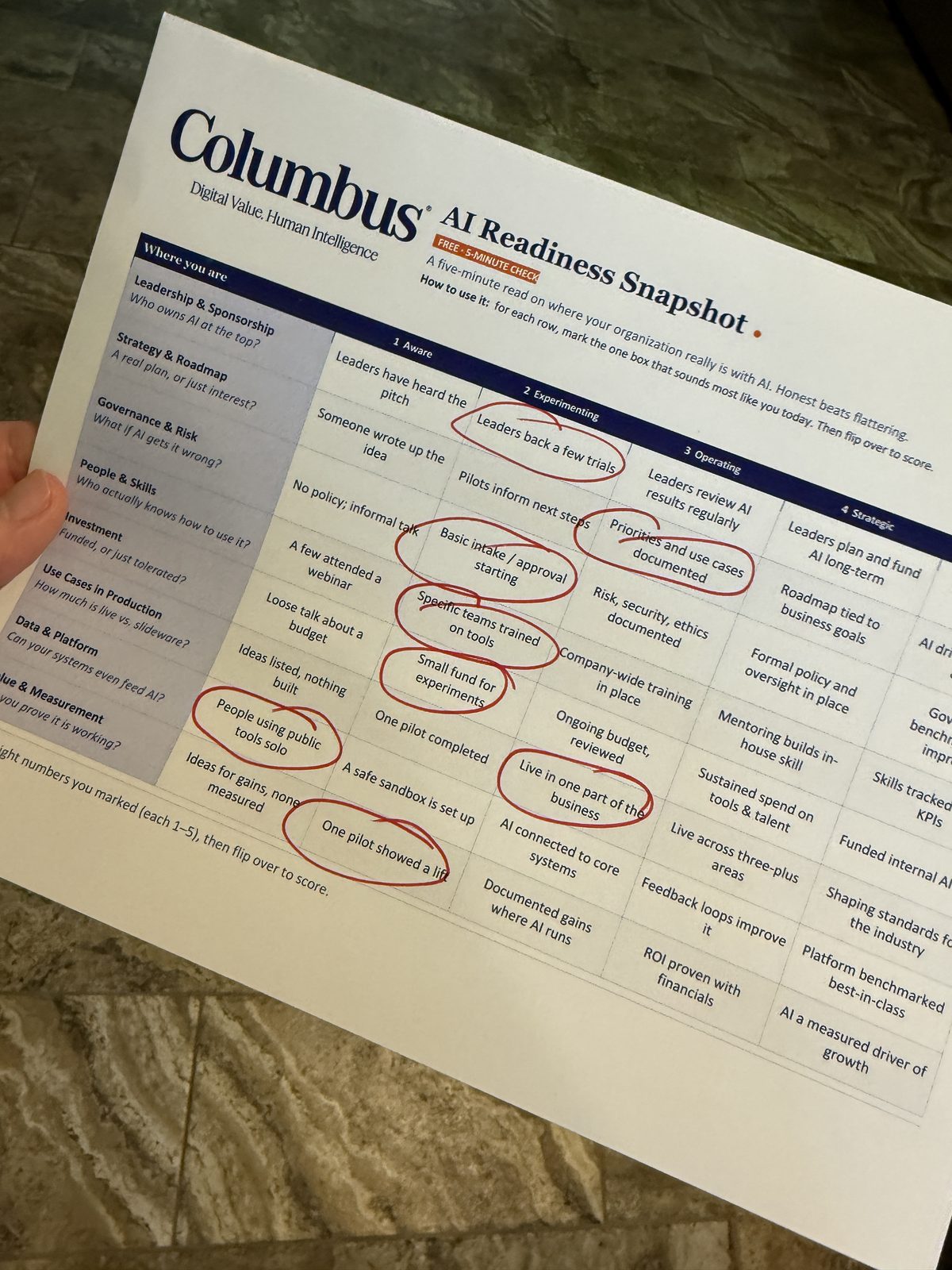
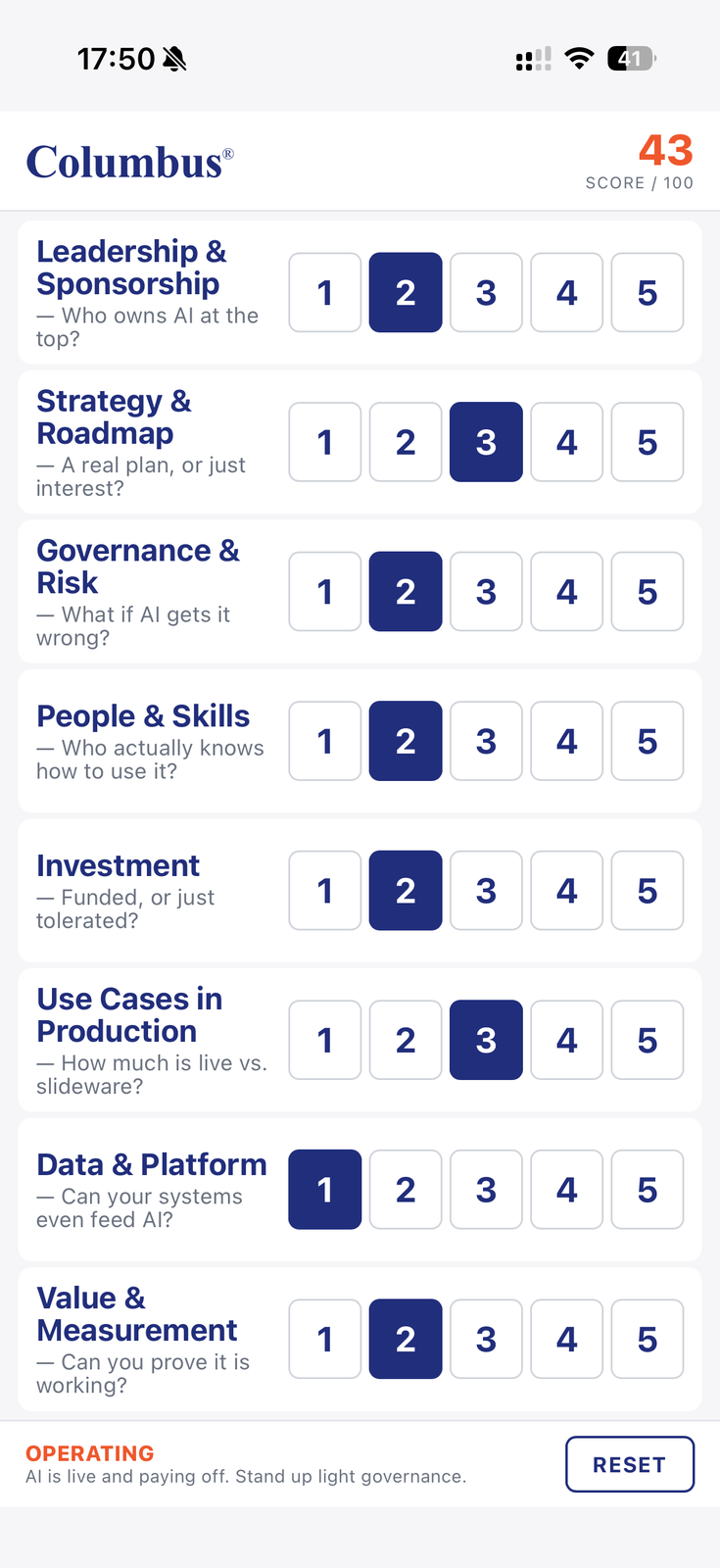
When someone scanned, engaged, or stopped to ask, I'd flip the conversation: take the Columbus AI Readiness Snapshot, right now. Five-minute check, scores them 1 to 5 across eight dimensions (Leadership, Strategy, Governance, People, Investment, Use Cases, Data, Value). Out comes a number from 0 to 100 with a verdict from Aware to Strategic. Honest beats flattering. Either way, the prospect now has a concrete reason to keep talking, and I have qualification data before I ever pitched anything.
The mechanic is the badge as the hook, the snapshot as the qualifier, the conversation as the deliverable.
The point was not to win. The point was to prove MCPs can be built on Databricks, end-to-end. Mission accomplished.
An MCP server running on Databricks that manages food excess and routes it to local food pantries. Users on Claude, ChatGPT, or any MCP-compatible client can identify available food, schedule a pickup, and trigger delivery to a pantry serving the hungry.
The application cutoff was May 31st so it wasn't formally judged. The team thanked me for the submission. The proof point landed regardless: MCPs can be built on Databricks, successfully. That was the whole point.
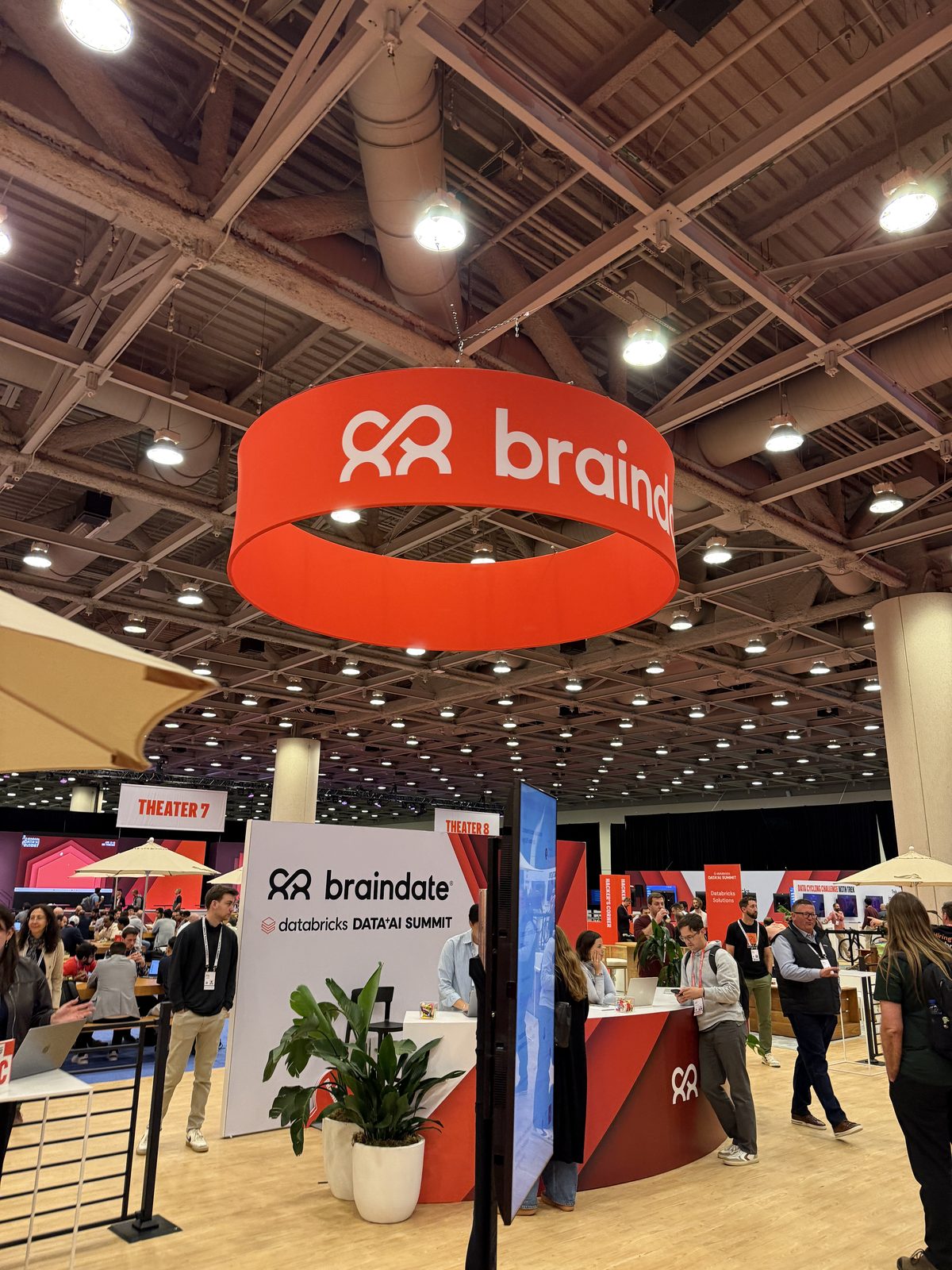
Dug into the Braindate site and figured out the trick most attendees miss: hosting isn't restricted to Databricks. Anyone can sign up to host. So I did, repeatedly.
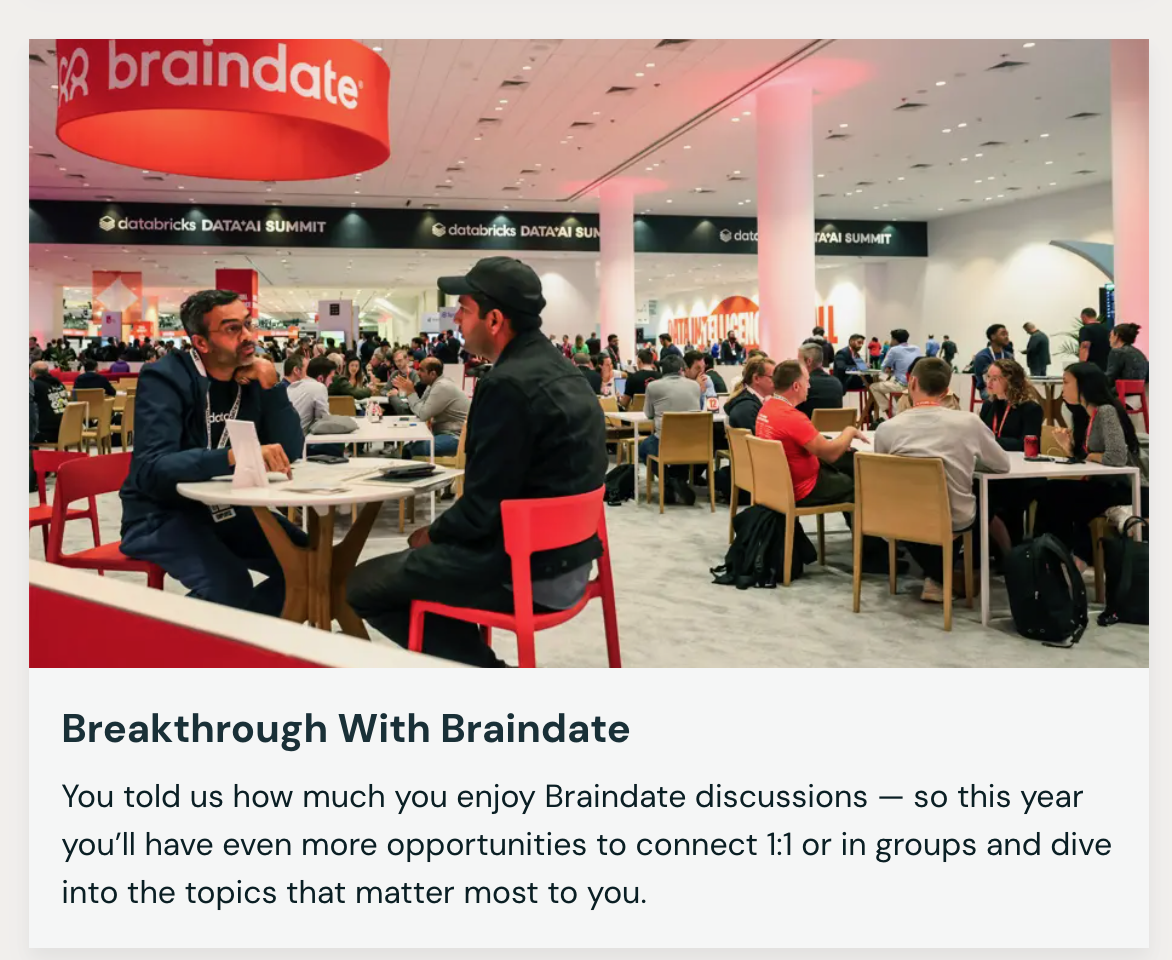
Braindate is the Summit's structured peer-meetup format. Speaker slots are gated by CFP. Hosting a Braindate isn't. The website lets anyone, not just Databricks staff, sign up to host an open topic. Most attendees never even see that option.
I grabbed every open hosting slot I could and named the topic: "MCPs in Databricks" and "AI strategy beyond the demo". Each session had a table with my name on it and a queue of self-selected attendees walking up to fill it.
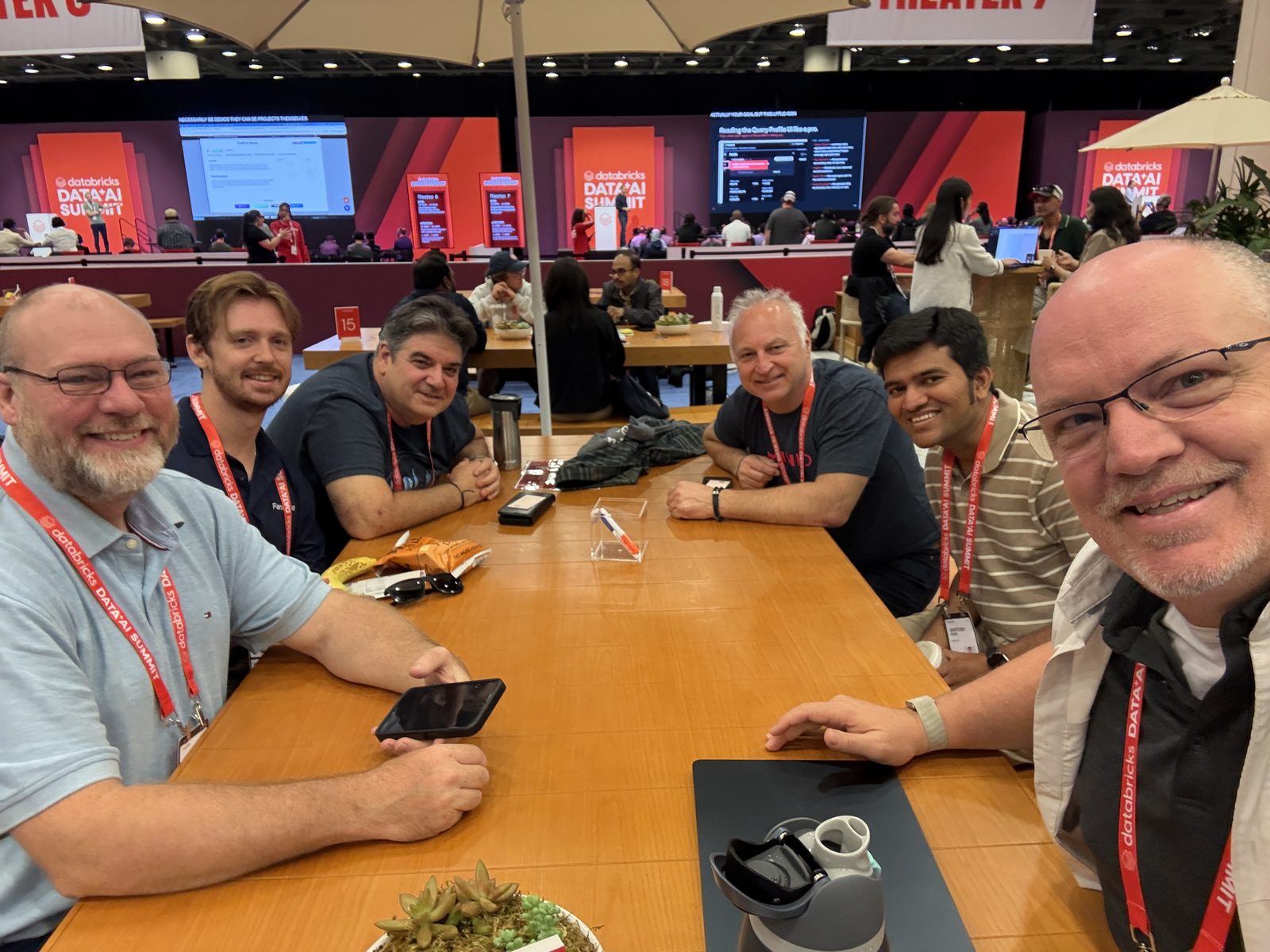
Result: every session I hosted hit capacity. Same audience caliber as paid speakers. Zero CFP. Zero submission fee. Pure information asymmetry.
Pulled directly from the Databricks Data + AI Summit FAQ. If you fall into one of these buckets and you skip it, you're voluntarily handing competitors a head start.
A cut from the main stage and high-traffic sessions. The lineup mixed Databricks leadership with the heads of every adjacent AI platform.


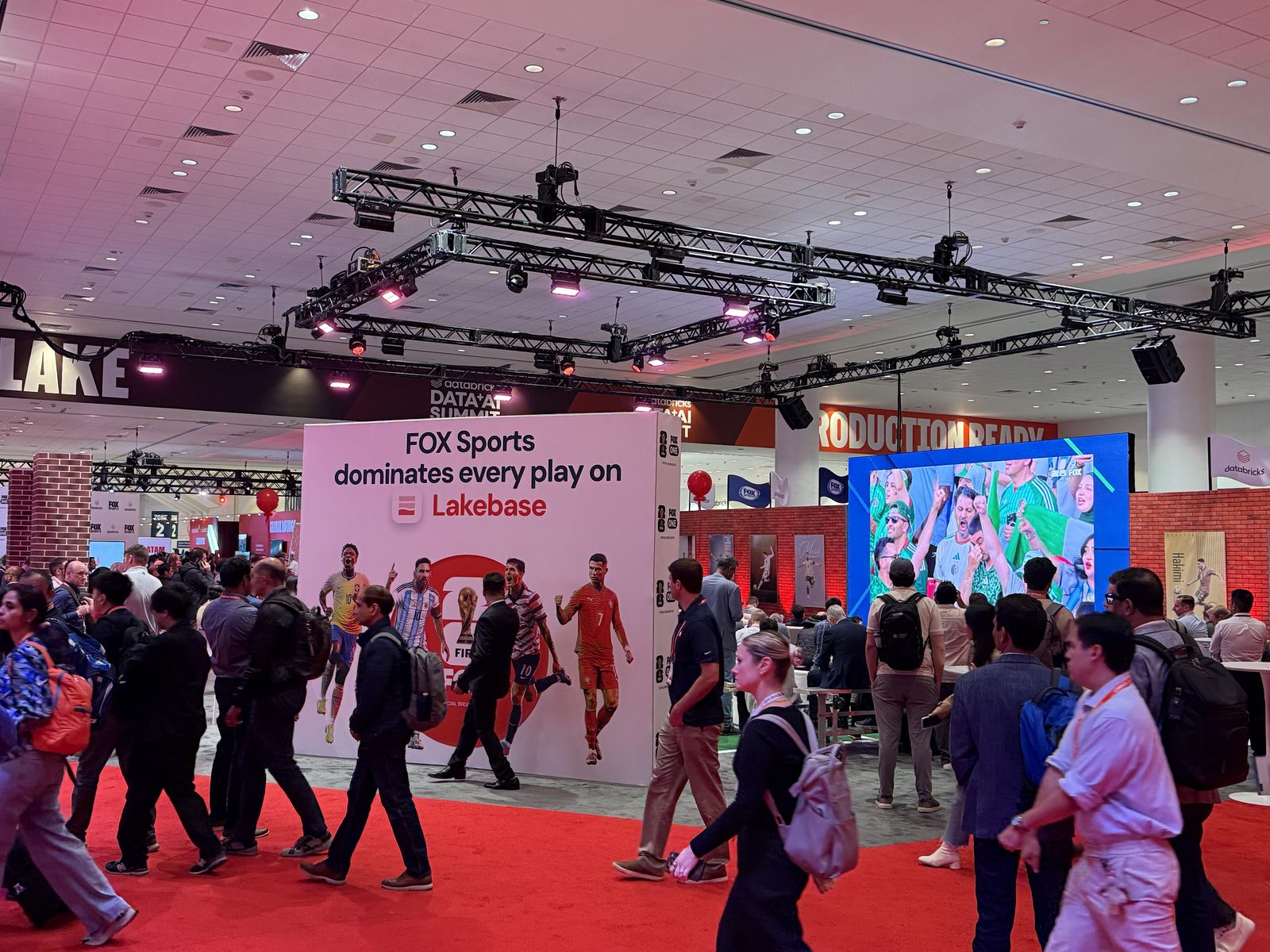
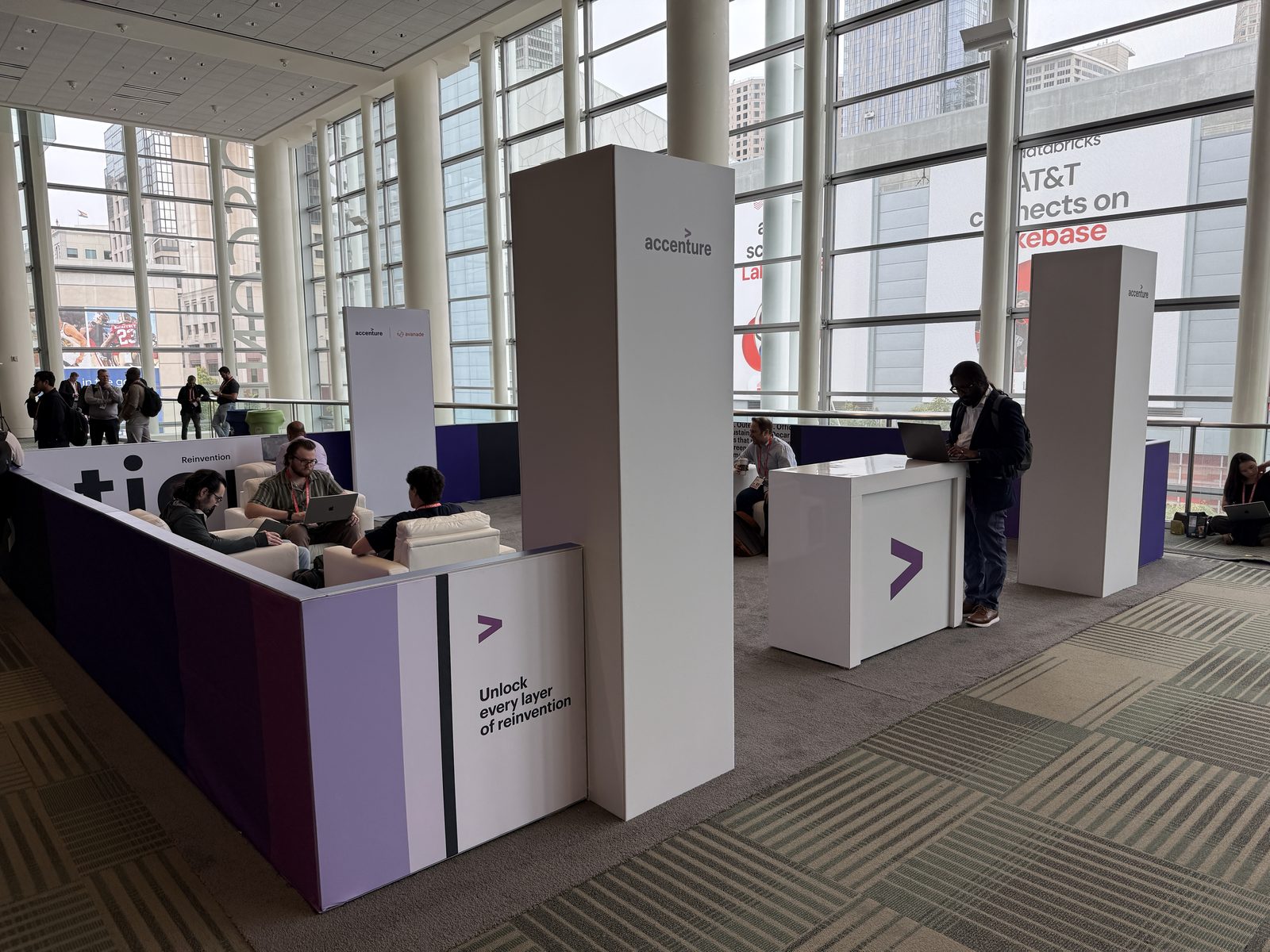
Every sponsor had a presence on the expo floor with apps, MCPs, or dashboards built on the Databricks Apps pillar.
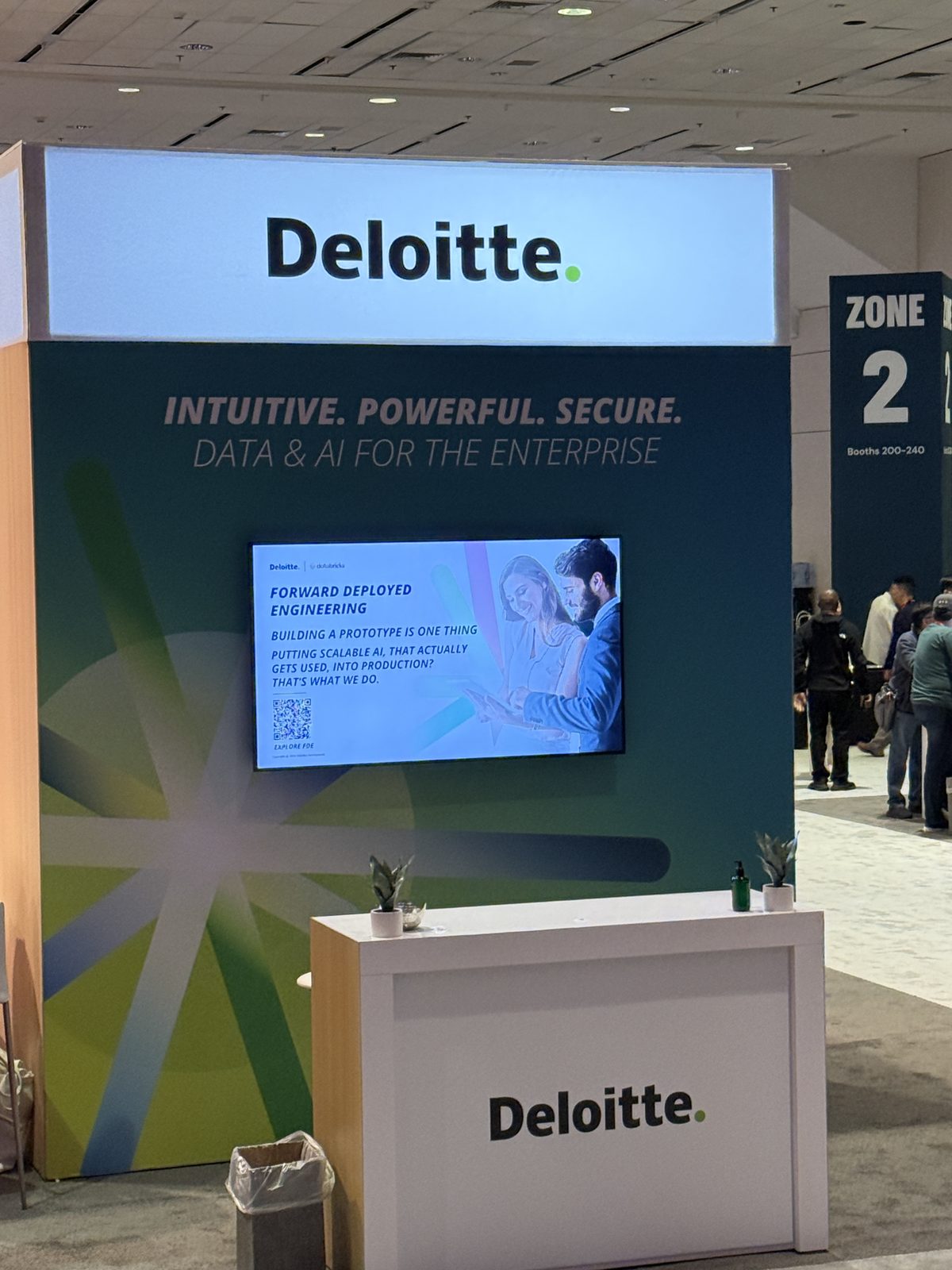
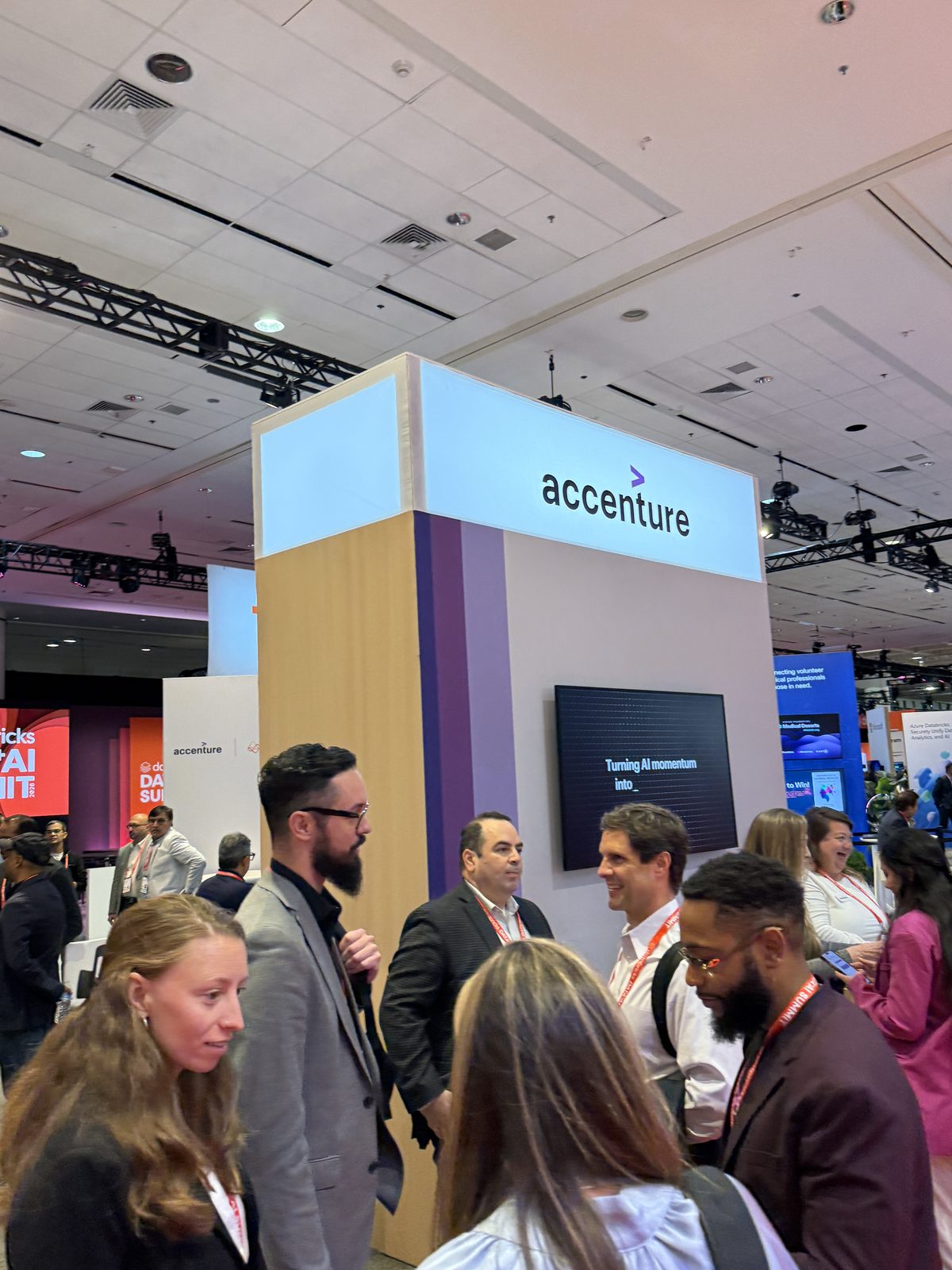
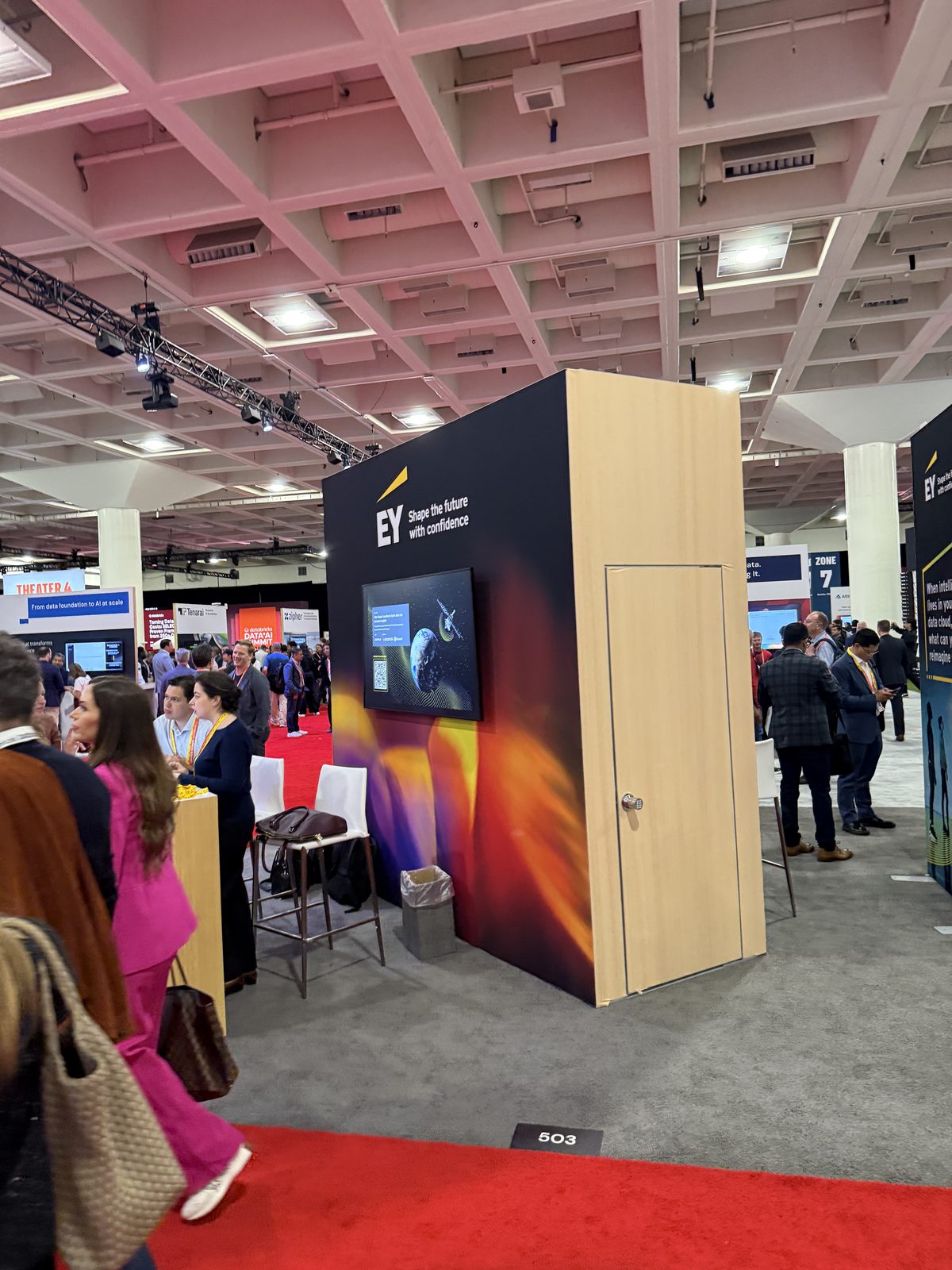
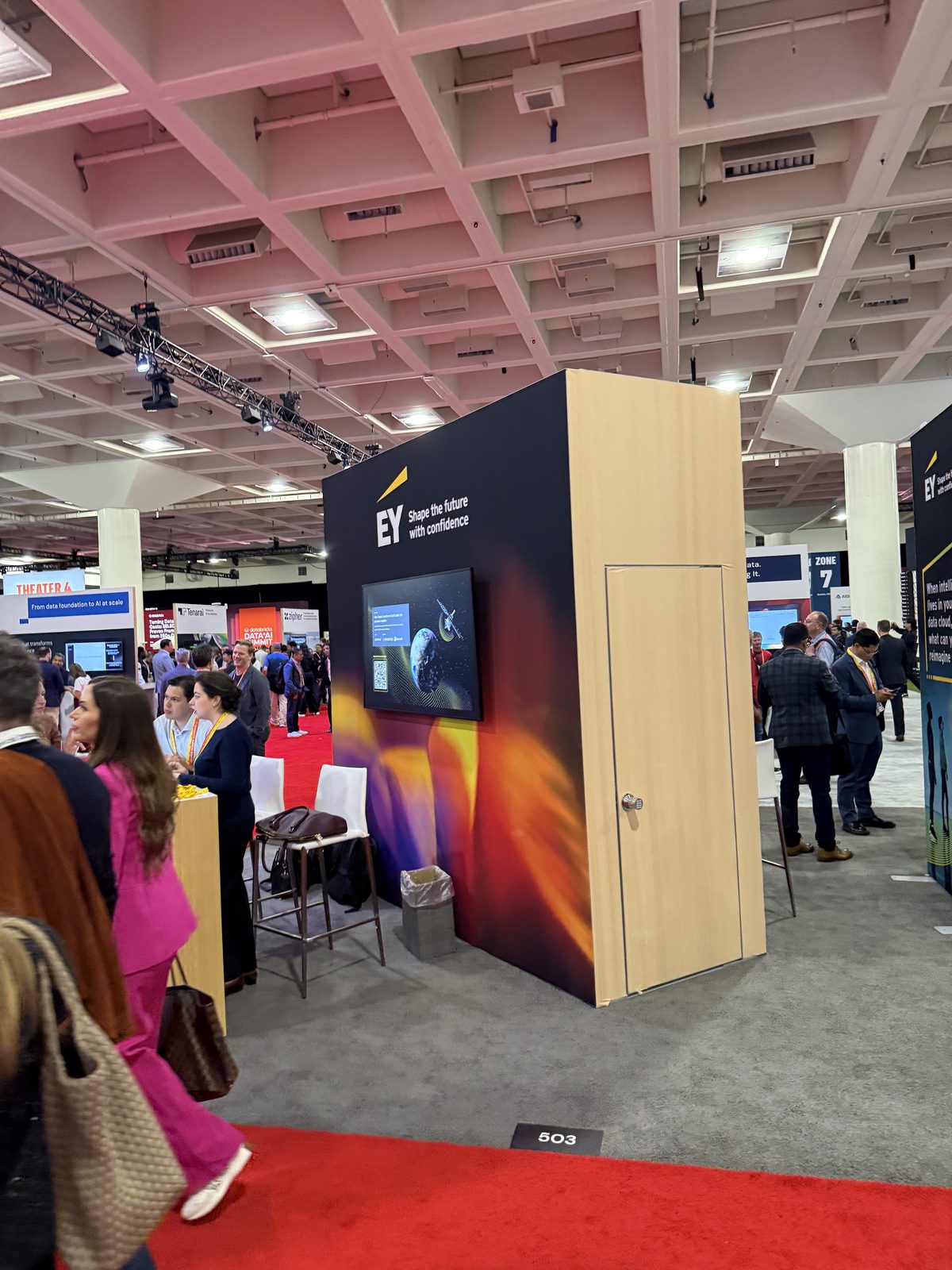
I hung out at four big-four booths and listened to the pitch they were running on every prospect who walked up.
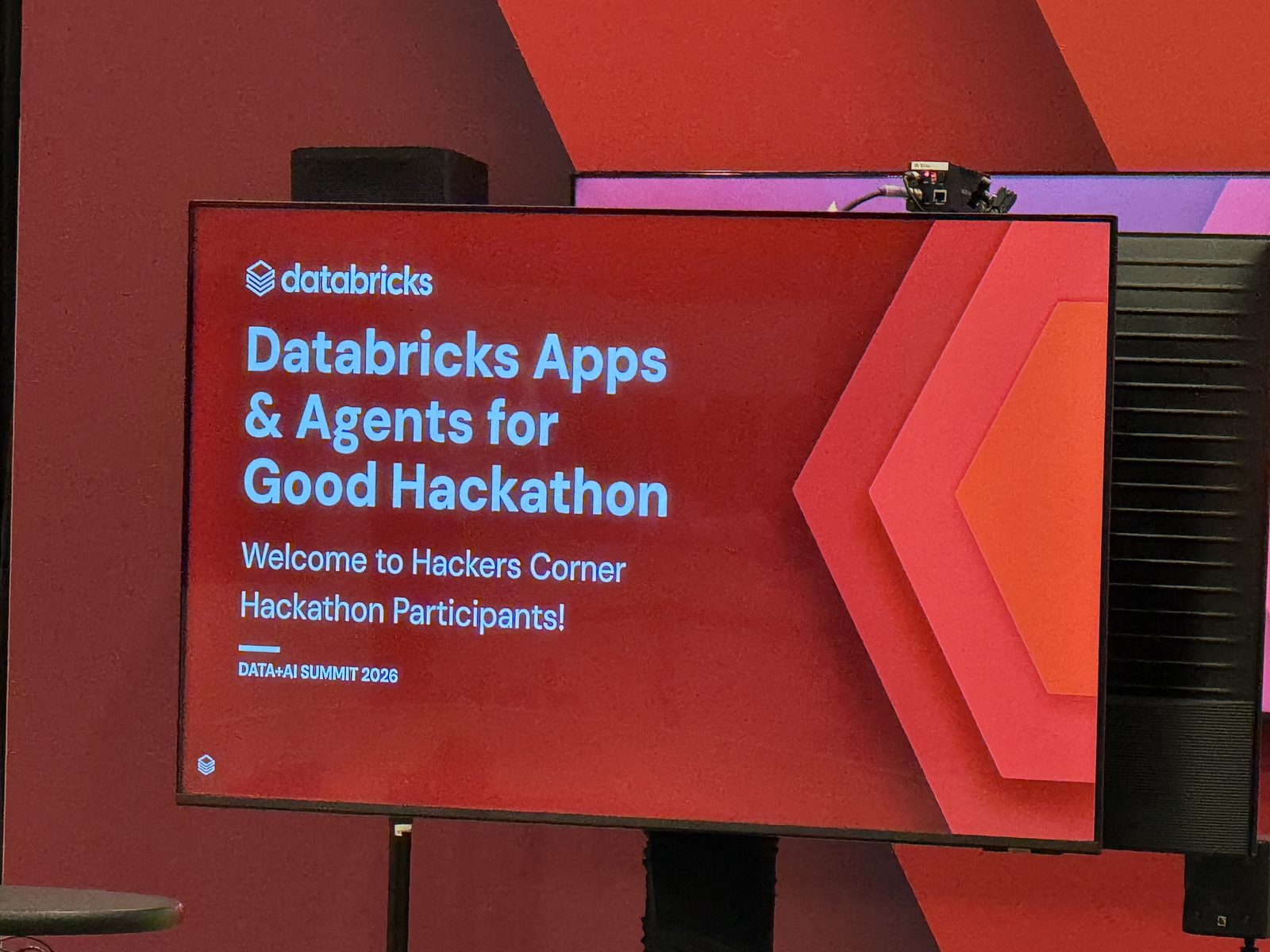
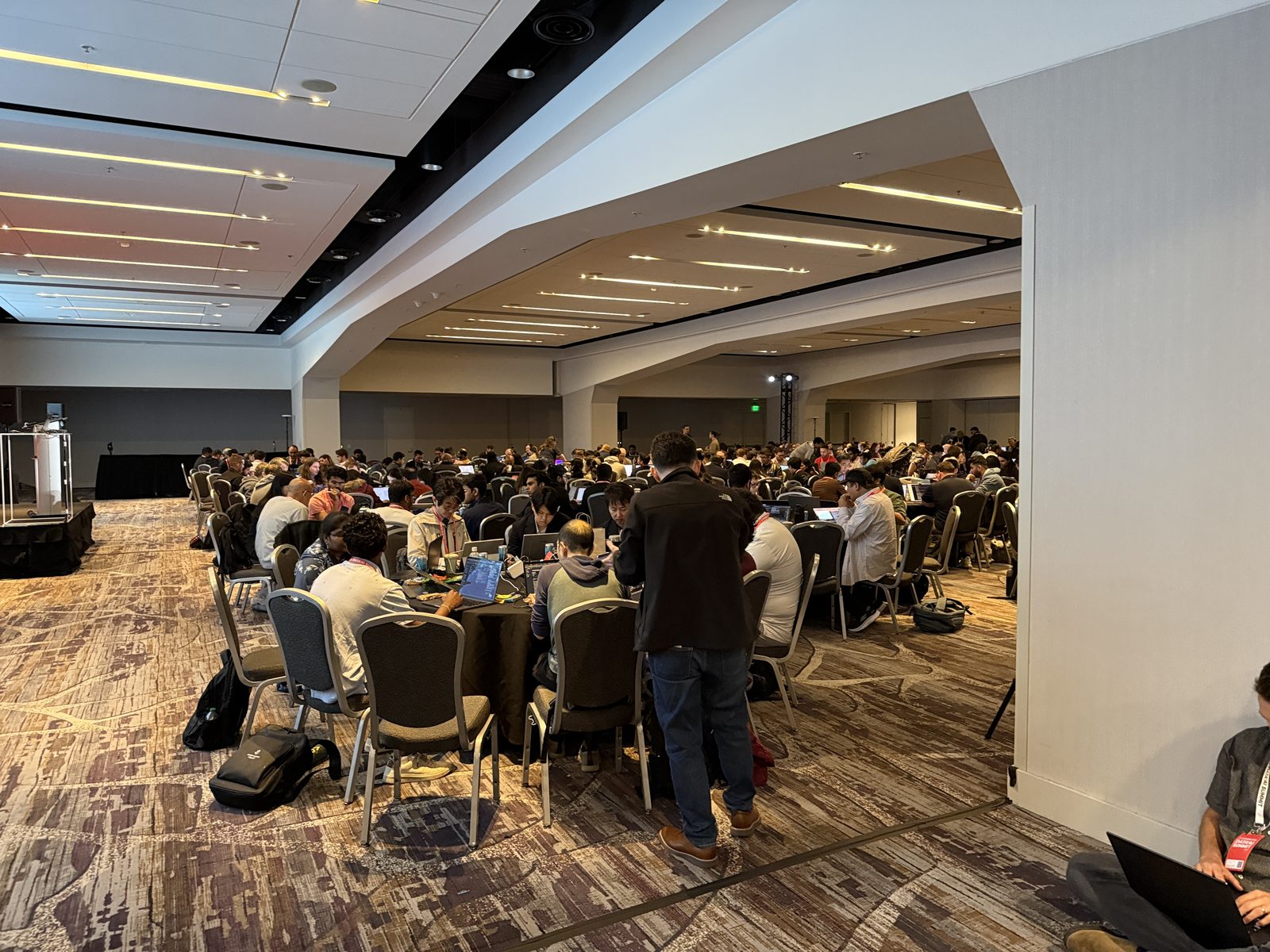
Hackathon for Good shipped working apps, MCPs, and agents on Databricks in three days. Real production code, real outcomes. That energy is repeatable.
One-day, Columbus-led hands-on workshop. Client team ships a working agent on Databricks before they go home. Productized hackathon for the enterprise. Fixed price. Working code. Real signal of fit.
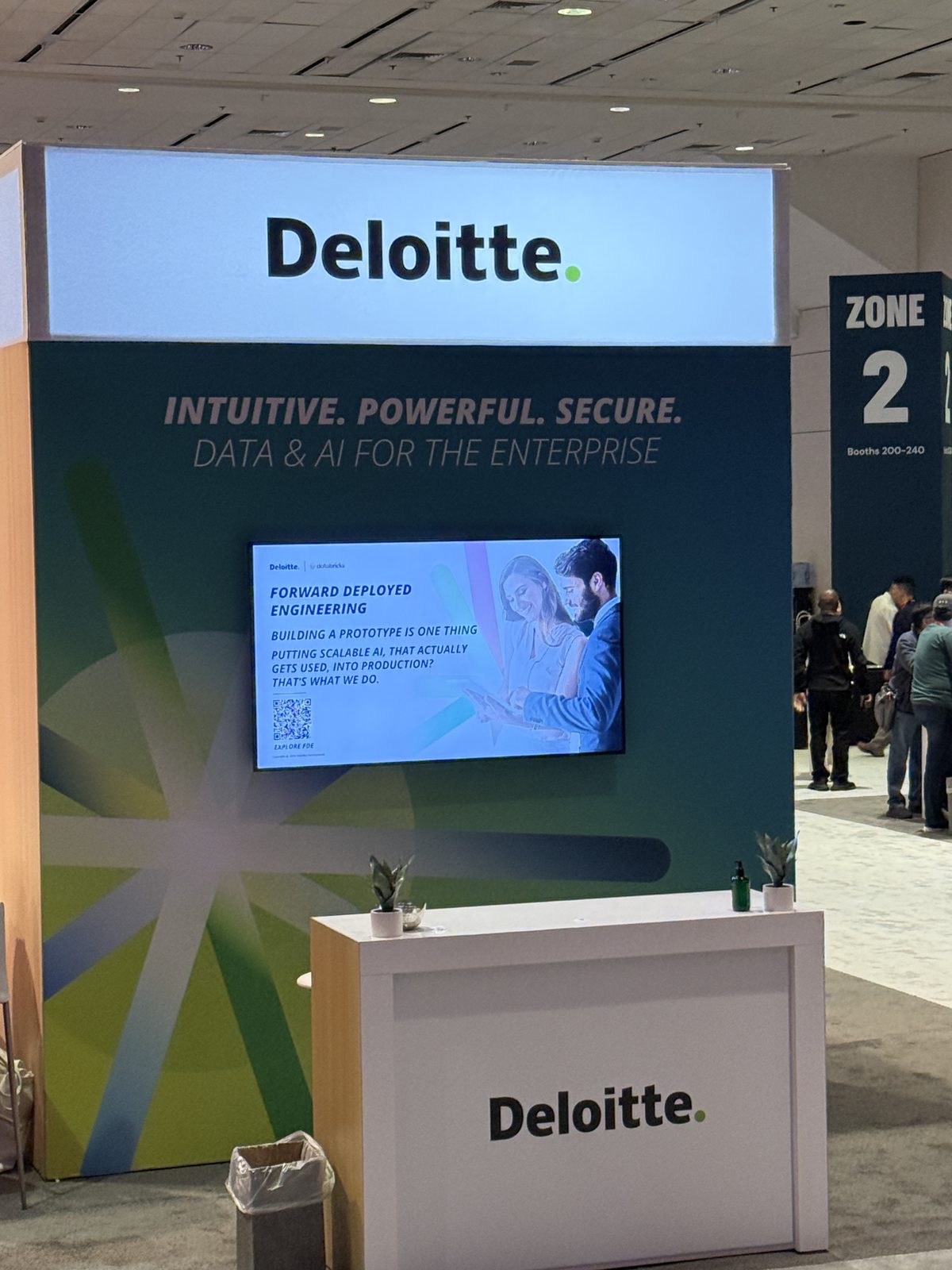
95 percent AI focus. Lakehouse became the foundation under Genie, Lakebase, and Apps. Selling "data" alone is over.
Hackathon proved it. Apps pillar exists to host them. Every SI was demoing one. If you're not building MCPs against client data, you're behind.
AWS, Microsoft, Google, OpenAI, Anthropic, NVIDIA on stage, sponsoring, interoperating. Pitch: use Databricks with what you already have.
Genie One demos were not toys. Real BI workloads, natural language against governed data, Unity Catalog enforcing access. BI replacement, not chatbot.
Postgres-compatible operational DB next to the analytical lakehouse. If it lands, customers stop running separate transactional databases.
Anyone can host one. Most attendees don't realize it. Hosting positions you as the expert without paying for a speaker slot.
Field report compiled June 21, 2026 // CJ Combs